Stem Cells in Oral Surgery: What Patients Should Know
You may have seen stem cells mentioned in the news, online, or even in conversations about dental care. It's natural to wonder: can stem cells help rebuild jawbone or speed up healing after oral surgery? The short answer is that stem cells are an exciting and evolving area of research, but many stem cell applications are still being studied rather than used as standard treatment.
Here's what stem cells are, why researchers are interested in them, and how they differ from the established regenerative techniques oral surgeons use today.
What Are Stem Cells?
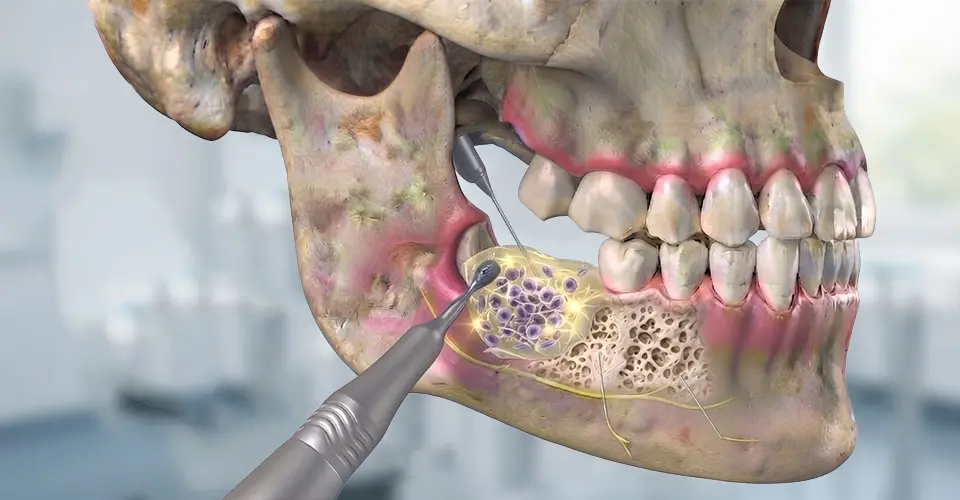
Stem cells are specialized cells that can develop into different types of cells under the right biological conditions. Your body naturally contains populations of stem cells in many tissues, including areas associated with bone and the structures of the mouth.
Researchers are studying how these cells might one day be used in treatment. That work is part of a broader field called regenerative medicine, which focuses on supporting the body's natural ability to repair and rebuild tissue.
Why Regeneration Matters in Oral Surgery
Many oral surgery procedures depend on how well your body heals bone and soft tissue. When bone or gum tissue has been lost because of tooth loss, trauma, infection, or other conditions, your natural healing response plays an important role in reconstruction.
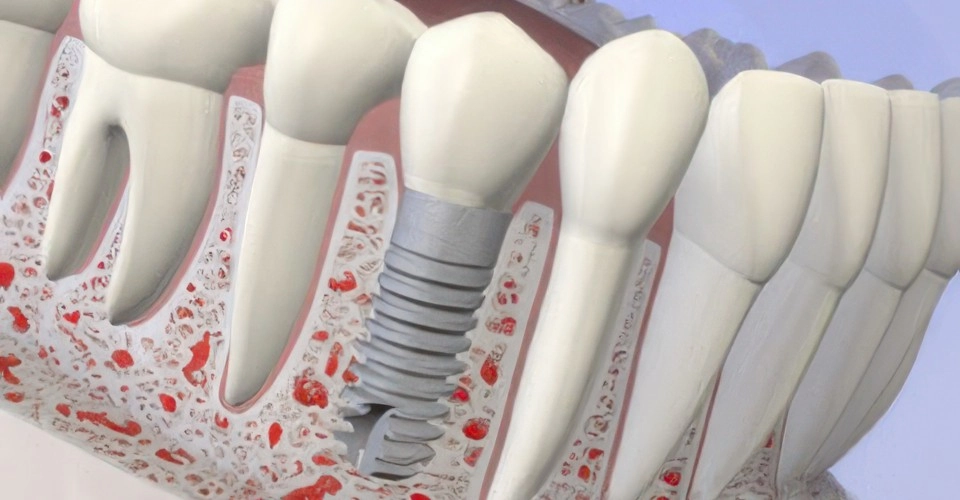
Bone is a big part of this. After a tooth is lost, the jawbone can gradually shrink because it no longer gets the stimulation that a natural tooth root provides. Having enough healthy bone is often necessary for dental implants, because an implant must fuse with the surrounding jawbone through a process called osseointegration.
Established Regenerative Options vs. Emerging Research
Stem cell research is just one part of regenerative medicine. Several other techniques are already used in oral surgery, and they work in different ways.
Bone grafting
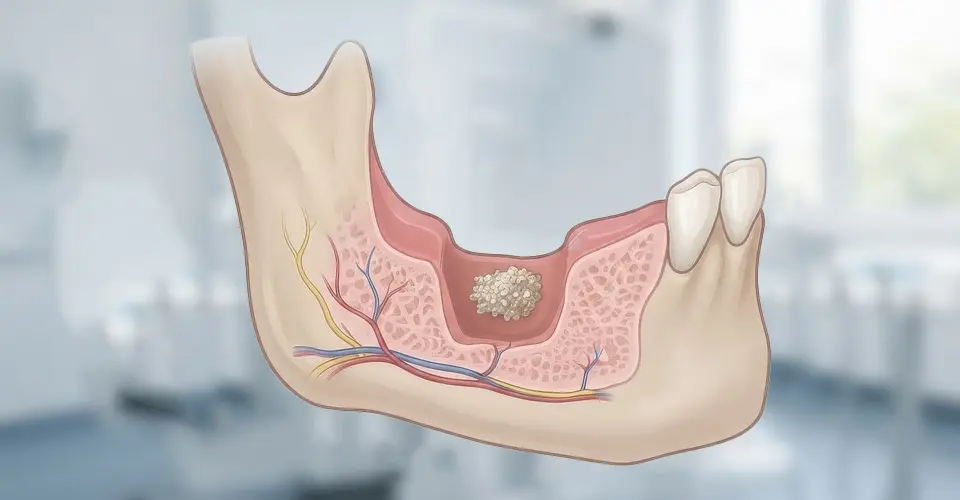
Bone grafting is an established treatment for rebuilding areas where bone has been lost. Graft materials can provide a framework that supports your body's own process of forming new bone. If you're wondering whether you'll need one, our article on bone grafts before dental implants walks through what to expect.
Platelet-rich plasma (PRP)
Platelet-rich plasma is made from a patient's own blood and contains a concentrated collection of platelets and signaling proteins involved in natural healing. A surgeon may use it in selected procedures when it could provide useful healing support. Learn more in our patient's guide to PRP.
Bone morphogenetic protein (BMP)
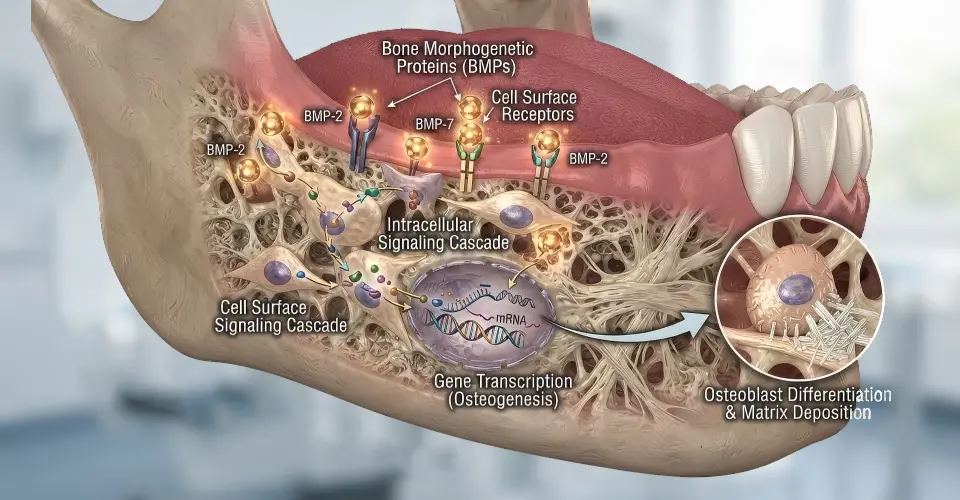
Bone morphogenetic protein works by signaling the cells involved in bone formation. It may be included in certain bone grafting and reconstructive procedures when clinically appropriate. Our BMP guide covers it in more detail.
Stem cell-based approaches
Stem cell therapies are different and remain an evolving area of research. The availability, safety, and clinical evidence for a specific stem cell treatment can vary depending on the type of cells, where they come from, how they're processed, and what they're being used for. That's why any regenerative treatment should be weighed against established medical and surgical evidence.
How Your Surgeon Plans Regenerative Care
Not every regenerative technique is right for every patient. Whether one is appropriate depends on your condition, your anatomy, and the procedure being performed.
Detailed imaging helps. 3D cone beam computed tomography (CBCT) can show the jawbone, teeth, and facial structures in detail, so your surgeon can see how much bone is present, where it's located, and which structures need to be protected. This is especially valuable for complex cases involving implants, bone reconstruction, or facial trauma.
Results vary from person to person, so the best way to understand your options is a consultation.
Frequently Asked Questions
Are stem cells a standard part of oral surgery today?
Not generally. Some stem cell applications remain investigational. Established options such as bone grafting, PRP, BMP, and dental implant surgery are the proven tools used to address bone and tissue loss for appropriately selected patients.
Will I need a regenerative treatment before getting dental implants?
It depends on the amount and quality of bone you have. Some patients have enough bone for implant placement, while others may benefit from bone grafting first. An evaluation with imaging helps your surgeon decide.
How do I know which regenerative option is right for me?
Your oral and maxillofacial surgeon will review your anatomy, health history, and treatment goals, then recommend an approach based on your situation and the available evidence.