
PLATELET-RICH PLASMA (PRP) FOR ORAL SURGERY
Understanding Platelet-Rich Plasma in Oral Surgery
Platelet-rich plasma (PRP) is a regenerative treatment that uses a concentrated portion of a patient's own blood to support the body's natural healing process. Platelets contain growth factors and other substances involved in tissue repair and healing. In oral and maxillofacial surgery, PRP may be used as part of a comprehensive treatment plan for procedures such as dental implants, bone grafting, tooth extraction, and other surgical treatments where additional support for healing may be appropriate.
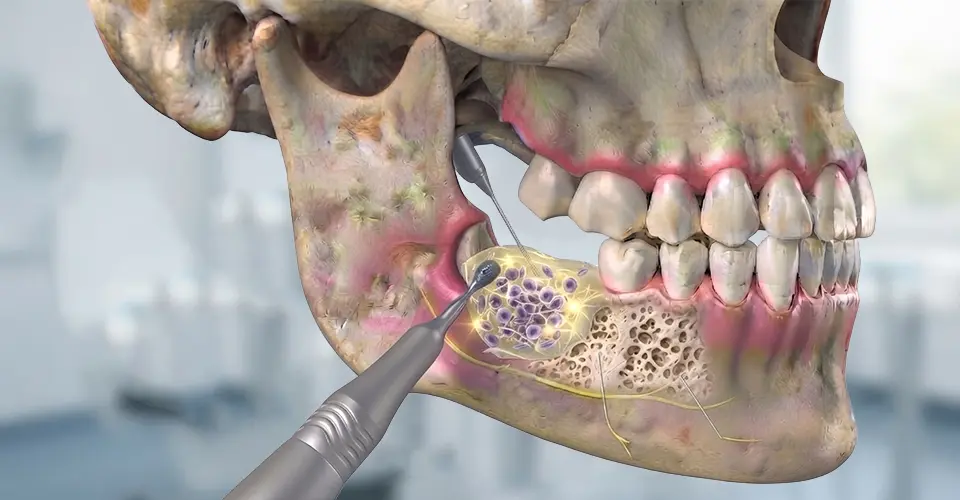
How PRP Supports the Natural Healing Process
Platelets play an important role in the body's normal response to injury. When tissue is damaged, platelets become involved in blood clot formation and release growth factors that participate in the healing process. PRP concentrates these platelets and growth factors so they can be applied to a surgical area as part of the patient's overall treatment plan.
PRP does not replace the body's natural healing process. Instead, it is used as an additional regenerative tool that may provide localized support during recovery. Your oral and maxillofacial surgeon will determine whether PRP is appropriate based on the procedure being performed, your individual circumstances, and your treatment goals.
The PRP Process & Treatment Planning
The PRP process typically begins with a small blood draw shortly before the surgical procedure. The blood sample is placed into a specialized centrifuge that separates its components and concentrates the platelets. The resulting platelet-rich preparation can then be applied to the surgical site according to the treatment plan developed by your oral surgeon.
The exact preparation and use of PRP can vary depending on the surgical procedure and the specific system being used. Before treatment, your surgeon will evaluate your oral health, review your medical history, and determine whether PRP may be a useful addition to your planned procedure.
PRP for Dental Implants & Bone Grafting
Dental implant treatment requires the jawbone and surrounding tissues to heal properly. In appropriate cases, PRP may be incorporated into implant surgery as part of a broader approach to supporting the healing environment. Dental implants rely on osseointegration, the process through which the implant becomes integrated with the surrounding bone, making healthy bone and proper treatment planning essential to long-term implant care.
PRP may also be used in conjunction with bone grafting procedures. Patients who have experienced bone loss may require grafting to create adequate support for a future dental implant. When appropriate, PRP can be incorporated into the treatment plan alongside grafting materials to provide additional support for the body's healing response.
Whether PRP is recommended depends on the patient's anatomy, the extent of bone loss, the surgical procedure being performed, and other individual factors. Your oral surgeon will explain the available options and determine which approach is best suited to your treatment needs.
PRP After Tooth Extraction & Surgical Procedures
Tooth extraction creates a surgical site that must heal as the surrounding bone and soft tissues repair themselves. In selected cases, PRP may be applied to the extraction site as part of a treatment plan designed to support the normal healing process. This may be particularly relevant when the extraction is being performed as part of a larger plan for future tooth replacement.
PRP may also be considered during other oral and maxillofacial surgery procedures where support for soft-tissue or bone healing is appropriate. Because each procedure and patient is different, PRP is not necessary for every extraction or surgical treatment.
Since PRP is prepared from the patient's own blood, it does not involve introducing donor blood or unrelated biological tissue. Your surgeon will review your medical history and treatment needs to determine whether PRP is an appropriate option for your procedure.
Advanced Oral Surgery & Personalized Regenerative Care
Modern oral and maxillofacial surgery combines detailed diagnosis, advanced imaging, precise surgical techniques, and individualized treatment planning. PRP may be incorporated into a broader treatment approach that includes procedures such as bone grafting, dental implant placement, sinus lift procedures, and other reconstructive treatments when clinically appropriate.
Advanced 3D imaging can help your oral surgeon evaluate the jawbone, teeth, and surrounding anatomical structures before surgery. This information allows the surgical team to develop a treatment plan based on the patient's specific anatomy rather than relying on a one-size-fits-all approach.
Not every patient or procedure requires PRP. Your oral and maxillofacial surgeon will consider your medical history, oral health, surgical needs, and long-term treatment goals before recommending regenerative therapies as part of your care.
Recovery & What Patients Can Expect
Recovery following PRP treatment depends primarily on the underlying surgical procedure being performed. Temporary swelling, tenderness, or discomfort can occur as part of the normal healing process. Your surgeon will provide specific instructions based on the type of surgery you receive.
Following post-operative instructions is an important part of recovery. Patients may receive guidance regarding oral hygiene, diet, physical activity, medications, and follow-up appointments. Attending scheduled follow-up visits allows your surgical team to monitor healing and address any concerns during recovery.
PRP is one of several tools available in modern regenerative oral surgery. When appropriate, it can be incorporated into a personalized treatment plan designed to support healing while addressing the underlying surgical needs of each patient.
Platelet-Rich Plasma in Charleston & Ripley, WV
Platelet-rich plasma is an option that may be considered for selected oral surgery procedures when additional regenerative support is appropriate. By using concentrated components of the patient's own blood, PRP can be incorporated into treatment plans involving dental implants, bone grafting, tooth extraction, and other procedures.
Mountaineer Oral & Maxillofacial Surgeons provides specialized oral surgery care for patients in Charleston, Ripley, and communities throughout West Virginia. During your consultation, your oral surgeon can evaluate your individual needs, explain available treatment options, and determine whether PRP may be appropriate for your procedure.