Dental Implant Surgery: What to Expect Before, During & After
If your dentist has recommended dental implants, it's natural to wonder what the surgery itself involves. What happens at the consultation? Will I be comfortable? How long until I have my new tooth? Knowing what's ahead can make the whole process feel far more manageable.
Every plan is different, but most implant treatment follows the same general path. Here's what to expect.
A Quick Refresher: How Dental Implants Work
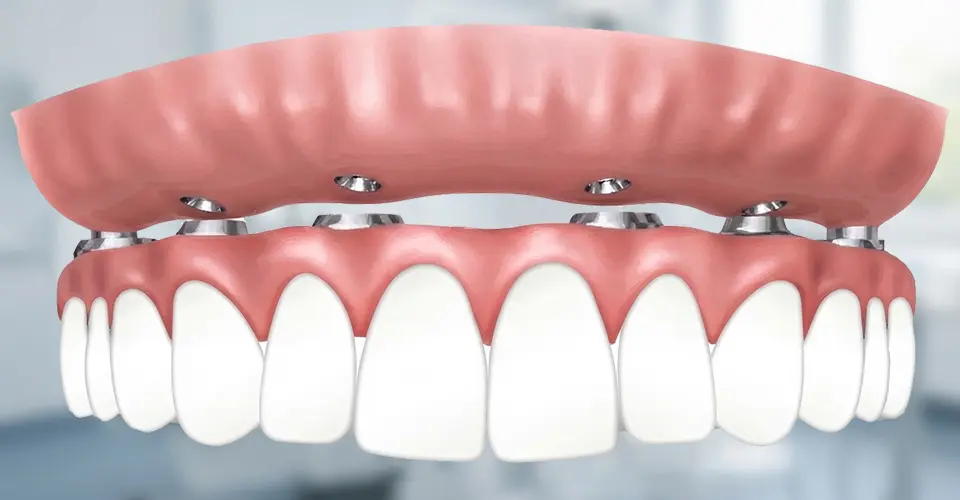
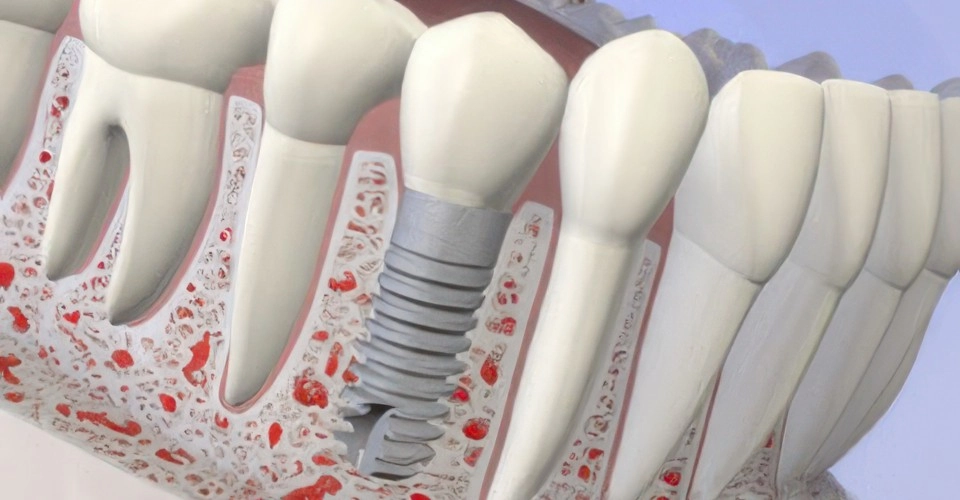
A dental implant replaces a missing tooth's root with a small titanium post placed in the jawbone. Over time, the bone heals and bonds with the titanium. A support post called an abutment is then attached, and a replacement tooth or crown is secured on top. Implants can also support bridges and dentures, and All-on-X dental implants can support a full arch of fixed replacement teeth. To compare options, see dental implants vs. bridges vs. dentures.
Before Surgery: Your Consultation and Treatment Plan
Treatment starts with an evaluation of your teeth, gums, jawbone, and health history. Factors such as smoking, certain health conditions, and previous radiation therapy to the head or neck may affect treatment and healing, so be sure to share your full medical history.
Imaging your jawbone
X-rays and three-dimensional imaging help your surgeon see how much bone is available and where important structures are located. This allows the implant to be planned around your anatomy.
Preparing the foundation
If there isn't enough bone to support an implant, your surgeon may recommend bone grafting first. Learn more in our post, Do I Need a Bone Graft Before Dental Implants?
A team approach
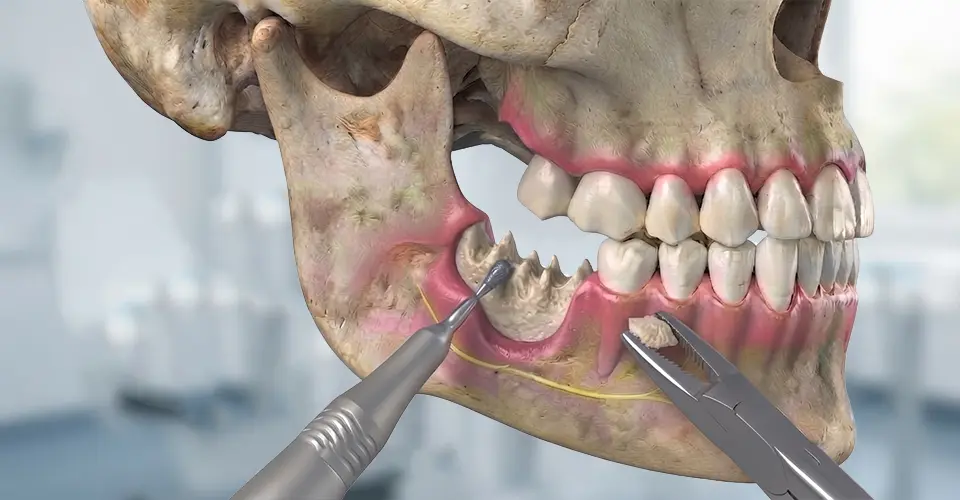
Dental implant treatment is a collaborative effort. Dr. Byron Black or Dr. William Black performs the implant surgery, any needed tooth extractions, and bone grafting. Your restorative dentist designs and fits your permanent replacement teeth, along with any temporary prostheses you may need along the way.
During Surgery: Placing the Implant
On the day of your procedure, your surgeon places the implant into the jawbone where the missing tooth's root used to be. Your comfort is a priority, and your surgeon will discuss anesthesia and sedation options with you ahead of time, along with pre-operative instructions to help you prepare.
Depending on your situation, treatment may be streamlined in a few ways:
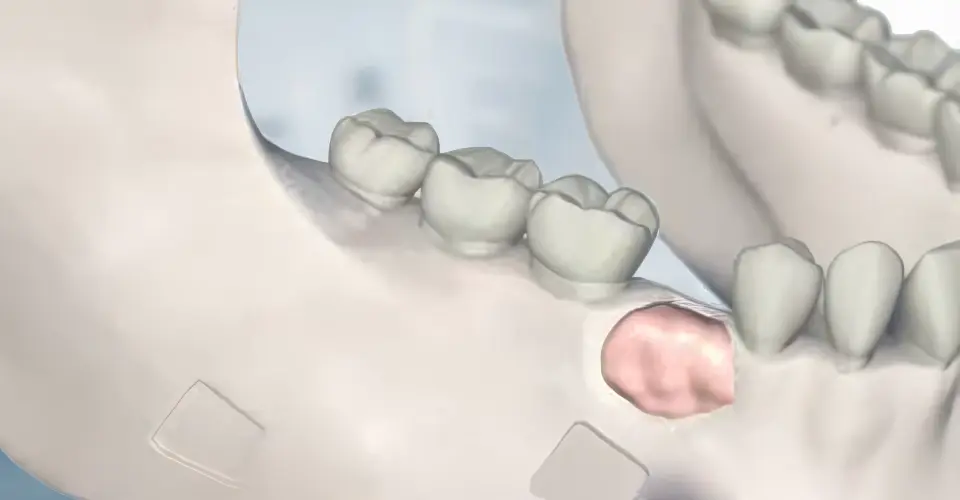
- Implant placement with an extraction: In appropriate cases, an implant can be placed at the same visit as a tooth extraction, which may reduce the number of separate surgical procedures.
- Single-stage implants: In certain cases, an implant may be placed without needing a separate procedure later to uncover it.
- Temporary teeth: In some cases, a temporary replacement tooth may be attached soon after the implant is placed.
After Surgery: Healing and Recovery
Some bleeding, swelling, and soreness are normal in the first days after surgery. You may also notice a small metal healing abutment through the gum tissue; this is expected, so try not to disturb it. Your post-operative instructions will guide you, and they include steps such as:
- Using ice packs on the cheek near the surgical area to help reduce swelling
- Sticking to soft foods at first and avoiding hard or crunchy foods at the implant site
- Brushing gently and rinsing with warm salt water, starting the day after surgery
- Keeping physical activity to a minimum for the first few days
- Following your surgeon's guidance on when you can wear any removable denture or partial
Giving the bone time to heal
Even after you feel normal, the bone keeps growing around and bonding with the implant. This healing period is needed before your final tooth is attached, and its length varies by patient.
Frequently Asked Questions
Am I too old for dental implants?
Age alone is not necessarily a limiting factor. Your overall health, bone, and gums matter more, and an evaluation will help determine whether implants are a good fit.
Will I be awake during implant surgery?
That depends on your procedure and comfort needs. Your surgeon will talk through anesthesia and sedation options with you before your surgery date.
When can I get my permanent tooth?
After the implant has healed and bonded with the bone. Timing varies, and your team will guide you.