
STEM CELLS & REGENERATIVE MEDICINE
Understanding Stem Cells & Regenerative Medicine
Stem cells and regenerative medicine represent an evolving area of research in oral and maxillofacial surgery. These approaches focus on understanding and supporting the body's natural ability to repair and regenerate tissues. Researchers are studying how stem cells, growth factors, biomaterials, and other regenerative techniques may contribute to bone formation, soft tissue healing, and reconstruction of the oral and facial structures.
Regenerative concepts are particularly relevant to oral surgery because successful treatment often depends on the body's ability to heal bone and soft tissues. Current clinical care may incorporate established regenerative techniques such as bone grafting and platelet-rich plasma (PRP), while stem cell-based approaches continue to be investigated for their potential future applications.
Stem Cells & Natural Tissue Regeneration
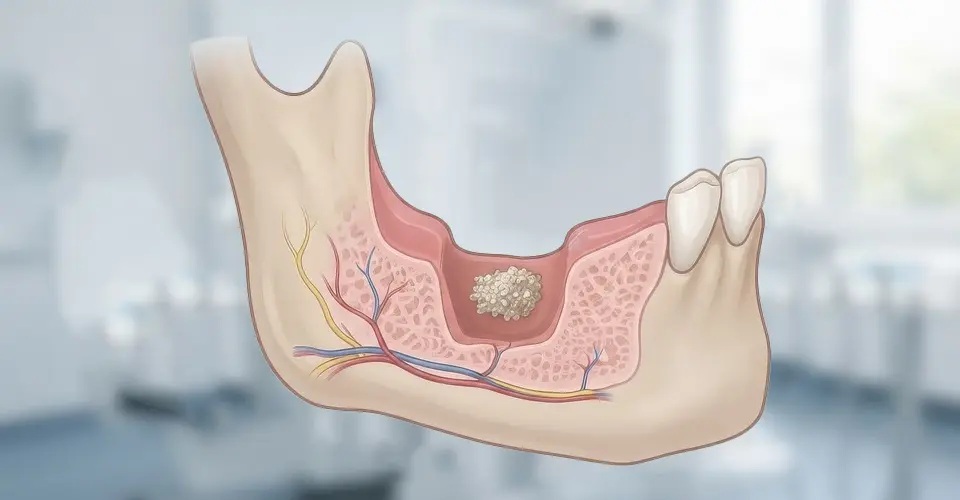
Stem cells are specialized cells with the ability to develop into different types of cells under appropriate biological conditions. The body contains various populations of stem cells in tissues throughout the body, including areas associated with bone and oral structures. Researchers continue to study how these cells interact with their surrounding environment and how their regenerative properties may eventually be used in medical and surgical treatment.
In oral and maxillofacial surgery, this research is particularly relevant to bone and tissue regeneration. When bone or soft tissue has been lost because of tooth loss, trauma, infection, or other conditions, the body's natural healing response plays an important role in reconstruction. Regenerative medicine seeks to better understand and support these biological processes.
Whether regenerative treatment is appropriate depends on the individual patient's condition and the procedure being performed. Your oral and maxillofacial surgeon can evaluate your anatomy, treatment goals, and available options to determine which established or emerging regenerative approaches may be relevant to your care.
Bone Regeneration, Bone Grafting & Dental Implants
Bone regeneration is one of the most important areas of regenerative research in oral surgery. Adequate bone volume is often necessary for dental implant placement and other reconstructive procedures. Following tooth loss, the jawbone can gradually decrease in volume because the stimulation provided by natural tooth roots is no longer present.
Bone grafting is an established treatment used to rebuild areas where bone has been lost. Depending on the clinical situation, graft materials can provide a framework that supports the body's natural process of forming new bone. Researchers are studying how cellular therapies and other regenerative technologies may eventually complement these techniques and further support bone regeneration.
For dental implants, healthy bone is important because the implant must become integrated with the surrounding jawbone through a process called osseointegration. Although stem cell-based approaches are being investigated for their potential role in bone healing and regeneration, implant treatment decisions are based on established surgical principles, the patient's anatomy, bone quality, and overall oral health.
PRP, BMP, Growth Factors & Regenerative Techniques
Stem cell research is one part of a much broader field of regenerative medicine. Other regenerative approaches used or studied in oral surgery include platelet-rich plasma (PRP), bone morphogenetic protein (BMP), growth factors, bone grafting materials, membranes, and other biomaterials. These techniques work in different ways and should not be considered interchangeable.
Platelet-rich plasma, for example, is created from a patient's own blood and contains a concentrated collection of platelets and signaling proteins involved in the body's natural healing response. PRP may be incorporated into selected surgical procedures when a surgeon determines that it could provide useful healing support.
Bone morphogenetic protein is another regenerative technology that may be used in selected oral and maxillofacial surgical procedures. BMP works by signaling cells involved in bone formation and may be incorporated into certain bone grafting and reconstructive procedures when clinically appropriate.
Stem cell-based therapies are different and remain an evolving area of research. The availability, safety, and clinical evidence for specific stem cell treatments vary depending on the type of cells, source of the cells, processing methods, and intended application. For this reason, regenerative treatment should always be evaluated in the context of established medical and surgical evidence.
3D Imaging & Advanced Surgical Planning
Advanced imaging plays an important role in modern oral and maxillofacial surgery. Three-dimensional cone beam computed tomography (CBCT) can provide detailed information about the jawbone, teeth, facial structures, and areas where reconstruction may be needed.
When regenerative procedures are being considered, detailed imaging can help the surgeon understand the amount and location of existing bone, identify anatomical structures that must be protected, and develop an appropriate surgical plan. Digital treatment planning can be particularly valuable for complex cases involving dental implants, bone reconstruction, facial trauma, or other reconstructive procedures.
Combining advanced imaging with established surgical techniques allows treatment to be planned around each patient's individual anatomy rather than relying on a one-size-fits-all approach.
The Future of Regenerative Oral Surgery
Research into stem cells and regenerative medicine continues to explore new ways to support the healing and reconstruction of bone and soft tissues. Scientists are investigating how cellular therapies, growth factors, biomaterials, and other biological processes may eventually contribute to new treatment options in oral and maxillofacial surgery.
It is important to recognize that not every regenerative technique is appropriate for every patient, and some stem cell applications remain investigational rather than established standard treatments. Treatment recommendations should be based on the specific clinical situation, available evidence, and the patient's individual needs.
For patients undergoing oral and maxillofacial surgery, established treatments such as bone grafting, dental implants, and selected regenerative therapies can provide proven options for addressing bone and tissue loss. As regenerative medicine continues to develop, new evidence may expand the techniques available to surgeons and patients in the future.
An evaluation with an oral and maxillofacial surgeon can help determine which regenerative and reconstructive options may be appropriate for your particular condition. Through careful evaluation, advanced imaging, and individualized treatment planning, your surgical team can recommend an approach based on your anatomy, treatment goals, and the available evidence.
Regenerative Oral Surgery in West Virginia
Regenerative medicine continues to evolve, offering new possibilities for supporting bone and tissue healing in oral and maxillofacial surgery. While some stem cell applications remain under investigation, established treatments such as bone grafting, PRP, BMP, and dental implant surgery provide important options for appropriately selected patients.
At Mountaineer Oral & Maxillofacial Surgeons, our team provides specialized oral surgery care for patients in Charleston, Ripley, and surrounding West Virginia communities. Through detailed evaluation, advanced imaging, and individualized treatment planning, we can help determine which established regenerative and reconstructive options may be appropriate for your needs.