
BONE GRAFTING
What Is Bone Grafting?
Bone grafting is a specialized oral surgery procedure used to rebuild areas of the jawbone that have lost volume due to tooth loss, periodontal disease, trauma, infection, or other conditions. A healthy jawbone provides important support for natural teeth and dental implants. When there is not enough bone available to support an implant, bone grafting may be recommended to restore volume and create a stronger foundation for tooth replacement.
Modern bone grafting techniques allow oral surgeons to treat a variety of bone deficiencies and help many patients become candidates for dental implant treatment. The type and extent of bone grafting needed depends on the amount of bone loss, the location of the missing tooth or teeth, and the patient's overall treatment plan.
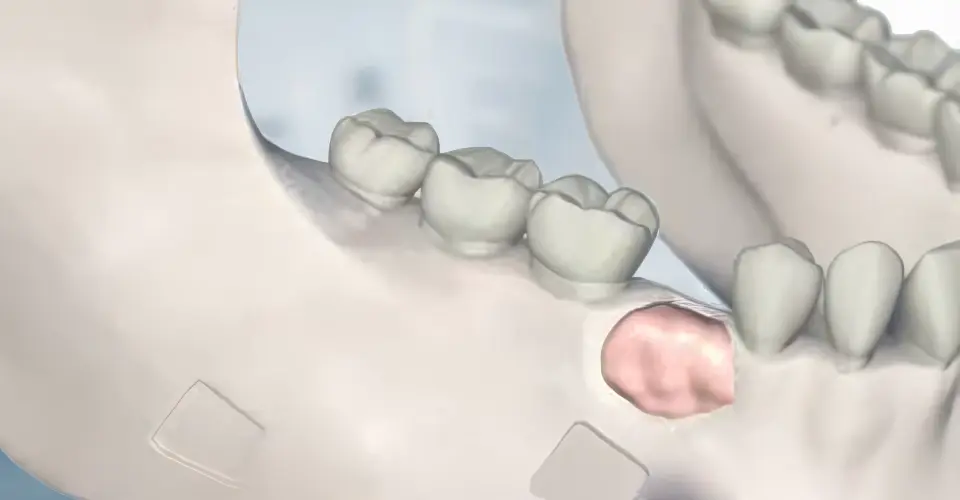
Bone Loss After Tooth Extraction
After a tooth is lost or extracted, the surrounding jawbone naturally begins to change because it no longer receives stimulation from the tooth root. Bone loss can be most noticeable during the first several months after tooth loss and may continue gradually over time. This reduction in bone volume can affect facial structure, alter the way the teeth come together, and reduce the amount of bone available for future dental implant placement.
For patients who are planning to replace a tooth with a dental implant, preserving the socket at the time of tooth extraction may help maintain the shape and volume of the surrounding bone. When bone loss has already occurred, a bone graft may help rebuild the area and improve the foundation available for future implant placement.
Bone Grafting for Dental Implants
Dental implants require sufficient healthy bone to provide support and stability. When a patient does not have enough bone in the area where an implant is planned, bone grafting may be recommended before or during implant placement.
The timing of treatment depends on the amount and location of bone loss. Some smaller grafts can be performed at the same time as implant placement, while larger grafts may require a period of healing before an implant can be placed. Your oral surgeon will evaluate your jawbone and develop a treatment plan based on your individual anatomy and restorative needs.
Learn more about the complete tooth replacement process on our Dental Implants page.
Timing and 3D Imaging
Careful treatment planning is an important part of bone grafting and dental implant surgery. Advanced 3D CBCT imaging allows your oral surgeon to evaluate the height, width, density, and overall anatomy of the jawbone. These detailed images can also help identify important structures such as nerves and the maxillary sinus.
Using this information, your surgical team can determine whether bone grafting is necessary, identify the type of grafting procedure that may be appropriate, and develop a plan for future implant placement when indicated.
Learn more about the technology used for treatment planning on our 3D Imaging page.
Bone Grafting Materials & Sources
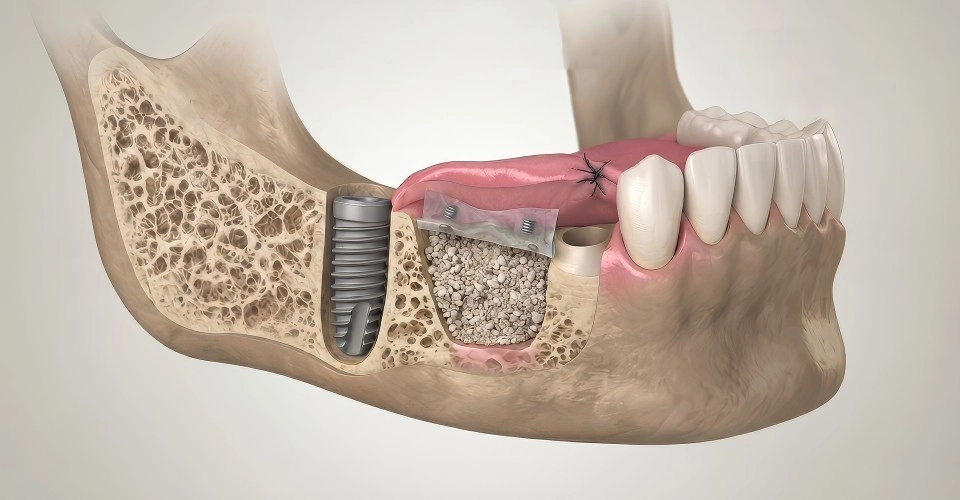
Several types of bone grafting materials may be used depending on the patient's needs and the specific procedure being performed. Graft materials may come from the patient's own body, donated human bone, specially processed animal-derived materials, or synthetic and other biocompatible materials.
These materials provide a framework that supports new bone formation during the healing process. Over time, the grafted area can become integrated with newly formed bone, creating a stronger foundation for future dental implant placement or other oral surgical treatment. Advanced regenerative techniques, including stem cell-based approaches, may also have a role in supporting tissue and bone regeneration in appropriate cases.
Socket Preservation, Ridge Augmentation & Sinus Lifts
Bone grafting procedures can range from relatively small socket preservation procedures performed around the time of tooth extraction to more extensive procedures designed to rebuild areas of significant bone loss.
Socket preservation is performed after a tooth is removed to help maintain the shape and volume of the extraction site. Preserving the available bone can make future dental implant placement more predictable.
Ridge augmentation may be recommended when the jawbone has lost significant width or height. During the procedure, grafting material is used to rebuild the deficient area and create additional bone volume for implant placement or other restorative needs.
Sinus lifts may be recommended for patients who need dental implants in the upper back portion of the jaw but do not have sufficient bone height beneath the maxillary sinus. During this procedure, the sinus membrane is carefully elevated and bone graft material is placed in the area to create additional bone for future implant placement.
Preserving Facial Structure & Supporting Implant Treatment
Jawbone loss can affect more than just the area surrounding a missing tooth. As bone volume decreases, changes in the underlying facial structure may occur. Restoring lost bone volume can help provide structural support for the gums and surrounding tissues while creating a more favorable foundation for dental implant treatment.
Bone grafting can also expand treatment options for patients who have experienced significant jawbone loss. By rebuilding areas where bone volume is insufficient, grafting may allow patients to pursue implant-supported tooth replacement that otherwise may not have been possible without additional treatment.
For patients considering full-arch implant treatment, bone grafting may also be part of the overall treatment planning process. Learn more about full-arch tooth replacement on our All-on-X Dental Implants page.
Surgical Advances & Comfort
Advances in oral surgery and regenerative techniques have made bone grafting a well-established treatment option for rebuilding areas of deficient jawbone. Depending on the procedure, your oral surgeon may use grafting materials or biologic products designed to support the body's natural healing and bone-forming processes.
Bone grafting procedures can often be performed using local anesthesia, while anesthesia and sedation options may be available for patients who experience dental anxiety or are undergoing more extensive treatment. Following surgery, some swelling, tenderness, or discomfort can be expected during the initial healing period. Your surgical team will provide detailed post-operative instructions and explain what to expect during recovery.
Healing Times & Candidacy
Healing times vary depending on the size and location of the graft, the type of grafting procedure performed, and each patient's individual healing response. Smaller procedures may require several months of healing, while larger grafts can require additional time before dental implants are placed.
Your oral surgeon will monitor the healing process through follow-up examinations and, when appropriate, digital imaging. Once the graft has developed sufficient bone volume and stability, implant placement or the next stage of treatment can be planned.
Candidates for bone grafting may include patients with missing teeth, jawbone loss, periodontal disease, previous tooth extractions, facial trauma, congenital jaw deficiencies, or patients who require additional bone before receiving dental implants.
During your consultation, your oral surgeon will review your medical history, perform a comprehensive examination, evaluate your existing bone, and use advanced imaging when necessary. This information helps determine whether bone grafting is appropriate and which treatment approach best fits your needs.
Building a Stronger Foundation for Tooth Replacement
Bone grafting can play an important role in restoring jawbone that has been lost after tooth extraction, periodontal disease, trauma, or other conditions. By rebuilding deficient areas of the jaw, treatment can help create a stronger foundation for dental implants and other restorative options.
Whether you are preparing for a single dental implant, considering full-arch treatment, or have been told that you do not have enough bone for implants, an evaluation with an oral and maxillofacial surgeon can help you understand your available treatment options.