Cleft Lip & Palate: A Parent's Guide to Oral Surgery Care
Learning that your child has a cleft lip or cleft palate can bring up a lot of questions. What treatment will my child need, and when? Who will be on the care team? It's normal to feel overwhelmed at first.
Cleft care is carefully planned around each child's growth. This guide explains what cleft conditions are, how treatment is usually staged, and where an oral and maxillofacial surgeon fits in.
What Are Cleft Lip and Cleft Palate?
Cleft lip and cleft palate are congenital conditions, meaning they are present at birth. They happen when the tissues that form the lip and/or the roof of the mouth don't completely join during early fetal development.
- Cleft lip is an opening or separation in the upper lip.
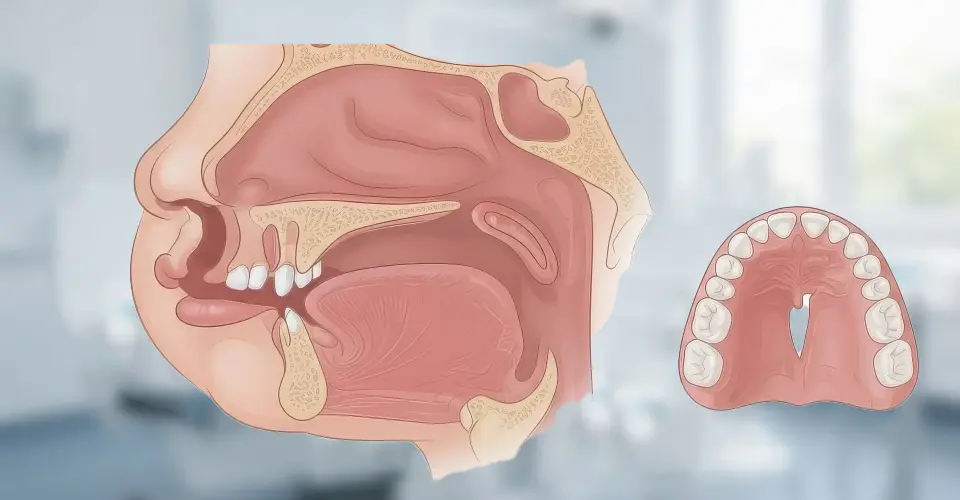
- Cleft palate is an opening in the roof of the mouth that connects the mouth and nasal cavity.
Some children have one condition, and some have both. Clefts can range from small openings to more extensive differences that involve the lip, palate, gum, and the underlying jawbone.
How a Cleft Can Affect Your Child
A cleft affects more than appearance. Depending on its type and severity, children may face challenges with:
- Feeding
- Speech development
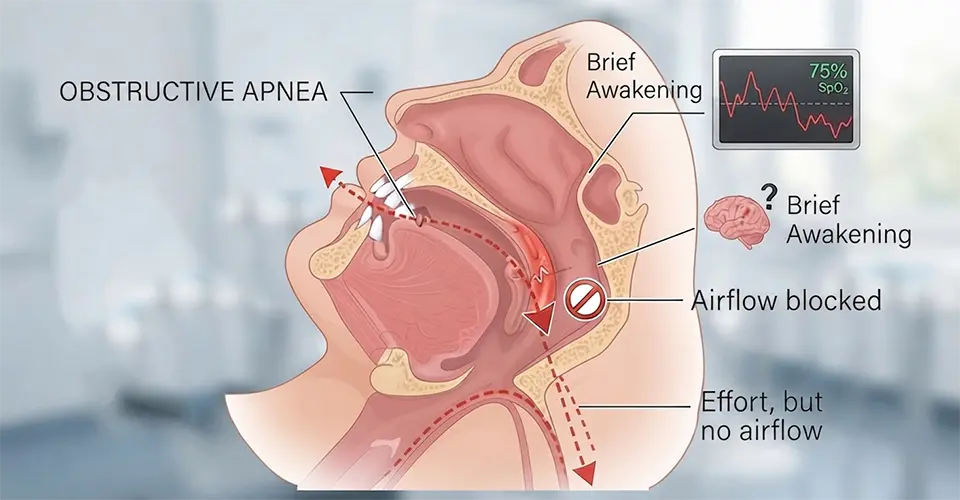
- Hearing
- Tooth eruption and alignment
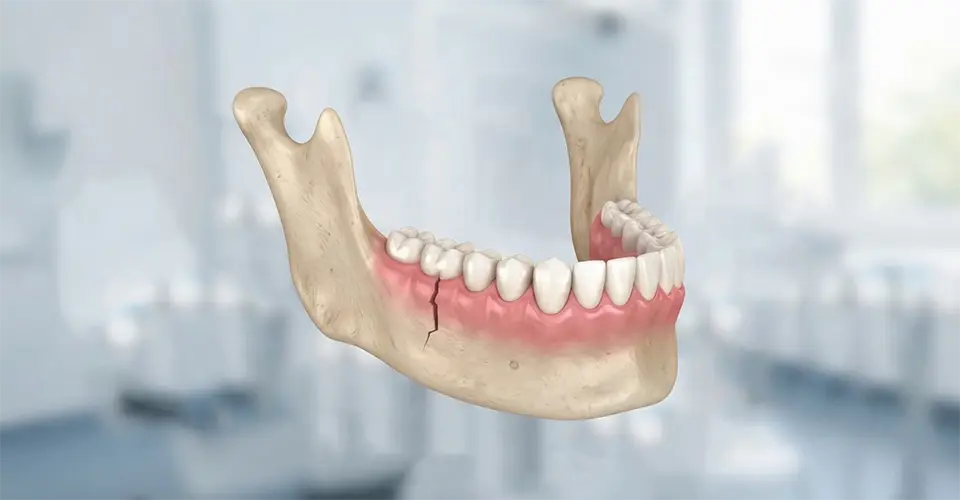
- Normal jaw growth
Early evaluation and ongoing monitoring help the care team spot developing concerns and decide when each step of treatment makes sense.
Treatment Happens in Stages
Cleft treatment is usually planned in stages that follow your child's growth and development. Some procedures may take place during infancy and childhood, while others may become appropriate later, once the jaws, teeth, and facial structures have matured.
Lip and palate repair
Cleft lip repair carefully reconstructs the tissues of the upper lip to restore continuity, function, and facial symmetry. Cleft palate repair is designed to close the opening between the mouth and nasal cavity and restore the muscles involved in speech and swallowing. The timing and technique depend on each child's needs and overall treatment plan.
Alveolar bone grafting
Some children with a cleft have a gap in the alveolar bone, the part of the jaw that holds the teeth. An alveolar bone graft places bone into that area to create a more stable foundation for tooth eruption and orthodontic treatment. Learn more on our bone grafting page.
Corrective jaw surgery
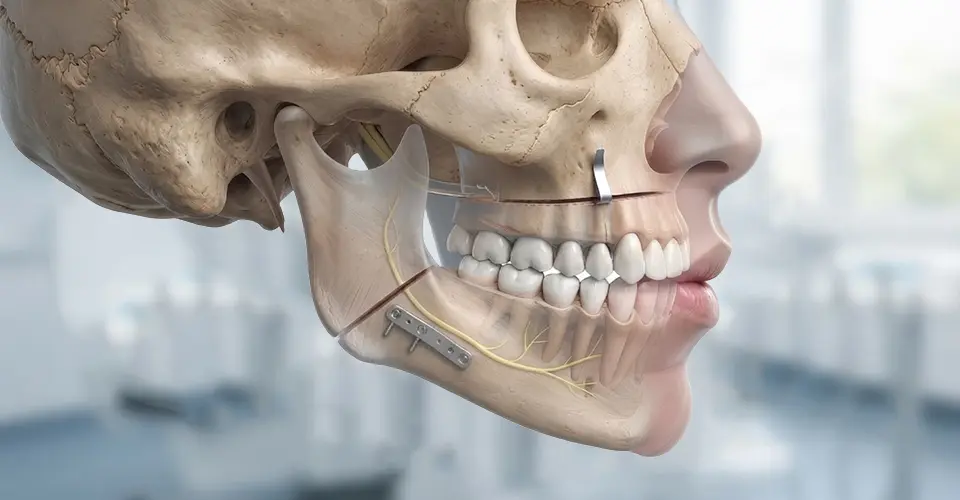
As children with cleft conditions grow, the upper and lower jaws may develop differently, which can affect the bite or facial balance. For selected patients, corrective jaw surgery (orthognathic surgery) may be recommended after facial growth is substantially complete. Our post on corrective jaw surgery explains what that process involves.
Not every child needs every procedure, and timing is individualized for each patient.
The Role of an Oral and Maxillofacial Surgeon
Cleft care is a team effort. Depending on your child's needs, the team may include oral and maxillofacial surgeons, plastic surgeons, orthodontists, pediatric dentists, speech-language specialists, otolaryngologists (ENT doctors), and other professionals, all working toward one coordinated plan.
Oral and maxillofacial surgeons bring specialized expertise with the jaws, facial bones, teeth, and oral structures. Depending on your child's stage of development, surgical care may involve the alveolar ridge, jaw development, tooth position, or corrective jaw surgery.
3D imaging can also help. Cone beam computed tomography (CBCT) lets the surgical team evaluate bone, developing teeth, and jaw relationships that are hard to see on traditional X-rays. Learn more in our article on 3D dental imaging (CBCT).
Frequently Asked Questions
Will my child need more than one surgery?
Often, yes. Cleft treatment is usually staged to match your child's growth. The number and timing of procedures vary from child to child, and the care team will create an individualized plan.
When is an alveolar bone graft done?
The timing is coordinated with your child's dental development and the eruption of the permanent teeth. Your child's care team will recommend the right window based on their growth.
Who coordinates my child's care?
Cleft care typically involves a multidisciplinary team. An oral and maxillofacial surgeon can evaluate your child's surgical needs and help coordinate oral surgical care as part of the broader treatment plan.