
WISDOM TEETH
Understanding Wisdom Teeth
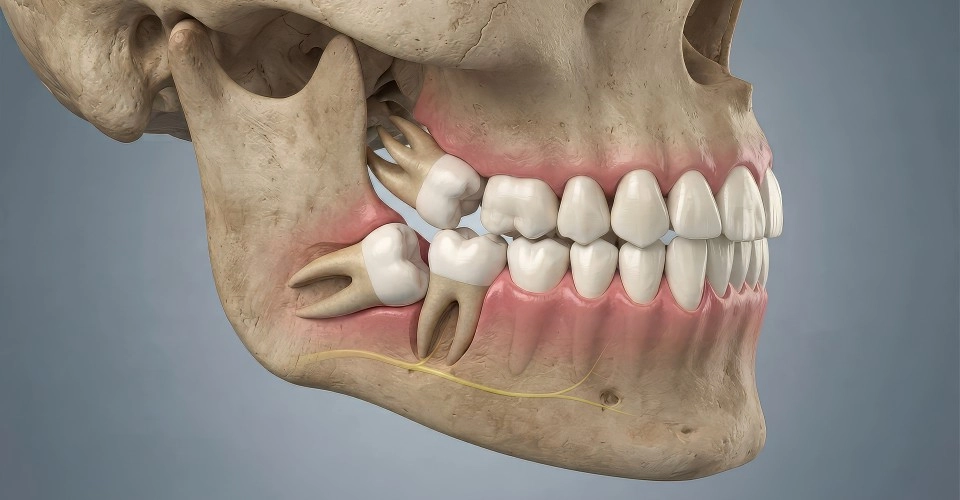
Wisdom teeth, also known as third molars, are the last permanent teeth to develop and typically emerge between the ages of 17 and 25. While some wisdom teeth grow in normally and function without causing problems, many people do not have enough space in their jaws to accommodate these additional teeth. As a result, wisdom teeth often become impacted, meaning they remain trapped beneath the gums or jawbone or only partially erupt. Impacted wisdom teeth can lead to pain, infection, damage to neighboring teeth, and other oral health complications, making removal one of the most common oral surgery procedures performed today.
Hidden Problems & Preventive Monitoring
Many patients are surprised to learn that wisdom teeth can cause problems even when they are not painful. Because these teeth develop in the back of the mouth, they are often difficult to clean properly. This can allow bacteria and food particles to accumulate around the teeth, increasing the risk of cavities, gum disease, and recurring infections. Regular dental examinations and panoramic or 3D CBCT imaging allow your oral surgeon to monitor the position and development of your wisdom teeth before they begin causing more serious issues.
Impacted Wisdom Teeth & Early Removal
Impacted wisdom teeth can develop in several different ways. Some remain completely buried beneath the gums and jawbone, while others partially erupt through the gums. They may also grow at an angle, pushing against neighboring teeth or surrounding bone. As wisdom teeth continue to develop, they can place pressure on adjacent molars, contribute to crowding, damage healthy tooth roots, or create pockets where infection can develop. Removing problematic wisdom teeth before complications arise is often the most predictable and beneficial approach.
One of the primary benefits of early wisdom tooth removal is preventing future oral health problems. Younger patients generally heal more quickly because the tooth roots are not yet fully developed and the surrounding bone is more flexible. Early removal often results in a simpler surgical procedure, reduced recovery time, and a lower risk of complications compared to waiting until symptoms become severe later in life.
Comprehensive Examination & Modern Sedation Options
Your oral surgeon will perform a comprehensive examination using advanced digital imaging to evaluate the position of your wisdom teeth and their relationship to nearby nerves, sinuses, and adjacent teeth. This detailed planning allows us to determine the safest and most effective treatment approach while minimizing potential risks. Every patient's anatomy is unique, and your treatment plan is carefully tailored to your individual needs.
Wisdom tooth removal is performed using modern surgical techniques designed to maximize patient comfort. Depending on the complexity of your procedure and your level of anxiety, treatment may be completed using local anesthesia, nitrous oxide (laughing gas), intravenous (IV) sedation, or general anesthesia. Our team will discuss your sedation options during your consultation to help ensure you remain comfortable and relaxed throughout your procedure.
Surgical Precision & Recovery
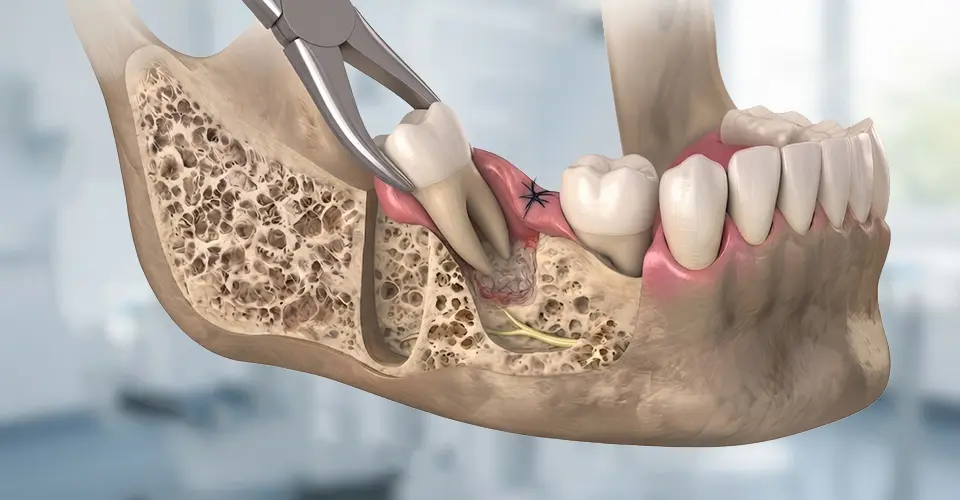
During surgery, your oral surgeon carefully removes the wisdom teeth while preserving as much healthy bone and surrounding tissue as possible. For impacted teeth, a small opening may be created in the gum, and the tooth may be divided into smaller sections for gentle removal. This precise approach minimizes unnecessary trauma to the surrounding structures and supports a smoother recovery.
Following wisdom tooth removal, most patients experience mild swelling, soreness, and stiffness for several days. These symptoms are a normal part of the healing process and can typically be managed with prescribed or over-the-counter medications, cold compresses, and rest. Patients are usually able to return to school, work, or other normal activities within a few days while following specific post-operative instructions to promote proper healing.
Proper Aftercare, Symptoms & Advanced Technique
Proper aftercare plays an important role in recovery. Patients are encouraged to eat soft foods, stay hydrated, avoid smoking or using straws during the initial healing period, and maintain gentle oral hygiene as instructed. Our team provides detailed recovery instructions and remains available to answer any questions throughout the healing process. Most patients experience steady improvement each day following surgery.
Although many wisdom tooth removals are performed as a preventive measure, surgery may also be recommended to address symptoms such as jaw pain, swelling, infection, cyst formation, tooth decay, gum disease, damage to neighboring teeth, or difficulty opening the mouth. Early diagnosis and treatment help reduce the likelihood of more extensive problems developing over time and can protect your long-term oral health.
Advances in digital imaging, surgical planning, anesthesia, and minimally invasive techniques have made wisdom tooth removal safer, more comfortable, and more predictable than ever before. Most patients are pleasantly surprised by how smoothly the procedure and recovery process progress. With appropriate planning and expert care, complications are uncommon, and patients are able to return to normal routines relatively quickly.
Whether your wisdom teeth are causing pain today or have been identified as a future concern, timely evaluation by an experienced oral and maxillofacial surgeon can help protect your smile and prevent unnecessary complications. Our team is committed to providing compassionate care, personalized treatment, and advanced surgical techniques to ensure the safest possible experience. By addressing wisdom teeth before they become a larger problem, you can preserve your oral health, reduce the risk of future complications, and enjoy lasting peace of mind.