
TOOTH EXTRACTION
Understanding Tooth Extraction & Surgical Care
Tooth extraction is a common oral surgery procedure used to remove teeth that are damaged, infected, impacted, or no longer able to function properly. While preserving natural teeth is always the goal whenever possible, there are situations where removing a tooth is the healthiest option for protecting your overall oral health. Oral and maxillofacial surgeons specialize in performing complex and surgical tooth extractions using advanced techniques designed to maximize patient comfort and promote optimal healing.
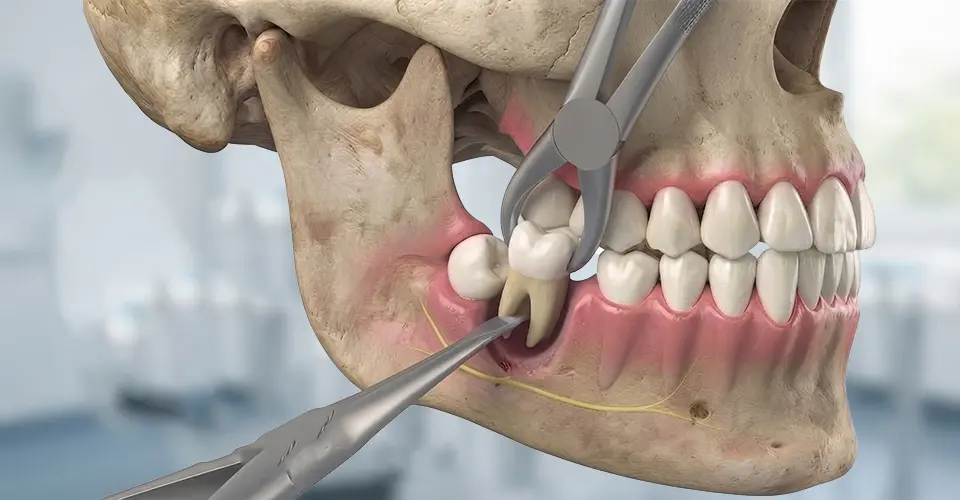
Complex Extractions & Reasons for Removal
Although many extractions are straightforward, some teeth require specialized surgical care due to their location, condition, or relationship with surrounding structures. Oral surgeons receive extensive training in complex extractions involving impacted teeth, broken teeth, teeth with curved or unusually shaped roots, severely damaged teeth, and teeth located near important nerves or anatomical structures. This advanced training allows for safer treatment and more predictable outcomes.
There are many reasons why tooth extraction may be recommended. Common causes include severe tooth decay, advanced periodontal disease, fractured teeth, failed previous dental treatments, impacted wisdom teeth, infection, or teeth that are preventing proper orthodontic treatment. In some cases, removing a problematic tooth can prevent the spread of infection, relieve chronic discomfort, and create a healthier environment for future dental restoration.
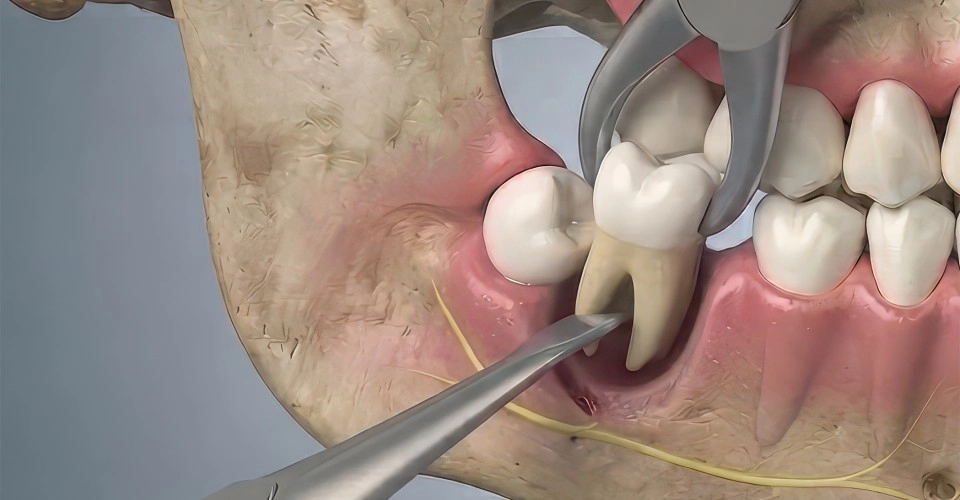
Comprehensive Evaluation & Simple vs. Surgical Extraction
Before recommending extraction, your oral surgeon will perform a thorough evaluation that includes a review of your dental history, clinical examination, and advanced imaging when necessary. Digital X-rays and 3D CBCT scans allow your surgeon to evaluate the tooth roots, surrounding bone, nerves, sinuses, and nearby teeth. This detailed information helps determine the safest and most effective approach for your individual treatment.
Oral surgeons perform both simple and surgical tooth extractions. A simple extraction is typically performed when the tooth is fully visible above the gumline and can be removed using specialized instruments. A surgical extraction is required when a tooth is impacted, broken below the gumline, or otherwise difficult to access. During a surgical extraction, the surgeon may carefully remove surrounding tissue or divide the tooth into smaller sections to allow for safe and controlled removal.
Patient Comfort, Sedation & Recovery
Patient comfort is a top priority during tooth extraction procedures. Depending on the complexity of the extraction and your level of anxiety, your oral surgeon may recommend local anesthesia, nitrous oxide sedation, intravenous (IV) sedation, or general anesthesia. These options help ensure that your procedure is as comfortable and stress-free as possible while allowing your surgical team to provide precise care.
Following extraction, your body begins a natural healing process to repair the area where the tooth was removed. Proper aftercare is essential during this time to protect the developing blood clot and support healthy healing. Your oral surgeon will provide detailed instructions regarding diet, oral hygiene, activity restrictions, and medications to help ensure a smooth recovery.
Tooth Replacement, Socket Preservation & Bone Grafting
In many cases, tooth extraction is the first step toward restoring your smile. After a tooth is removed, your oral surgeon can discuss options for replacing the missing tooth, including dental implants, bridges, or implant-supported restorations. Replacing missing teeth can help preserve jawbone structure, maintain proper bite function, and prevent neighboring teeth from shifting over time.
For patients planning to receive dental implants, preserving the surrounding bone after extraction is especially important. Procedures such as socket preservation and bone grafting can help maintain the shape and volume of the jaw, creating a stronger foundation for future implant placement. Your oral surgeon can determine whether these additional treatments are recommended based on your long-term goals.
Modern Techniques, Early Evaluation & Lifelong Health
Many patients are concerned about pain or recovery after a tooth extraction. Modern surgical techniques, advanced anesthesia options, and improved treatment planning have made extractions more comfortable and predictable than ever before. Mild swelling, soreness, and sensitivity are common after surgery but typically improve within a few days with proper care and medication when needed.
Delaying removal of a problematic tooth can sometimes lead to more serious complications. Untreated infections may spread, damaged teeth may affect surrounding teeth and bone, and impacted teeth may create cysts or other oral health concerns. Early evaluation allows your oral surgeon to determine whether extraction is appropriate and helps prevent unnecessary discomfort or future complications.
Whether you need a routine extraction, a complex surgical removal, or evaluation of a tooth that may require removal, an experienced oral and maxillofacial surgeon can provide safe, precise, and compassionate care. Our goal is to protect your oral health, minimize discomfort, and help you move forward with the best possible treatment plan for a healthy, functional smile.