
TEMPOROMANDIBULAR JOINT (TMJ) DISORDERS
Understanding TMJ Disorders
Temporomandibular joint disorders, commonly called TMJ disorders or TMD, affect the jaw joints, surrounding muscles, and supporting tissues responsible for opening, closing, and moving the jaw. The temporomandibular joints connect the lower jaw to the skull and allow everyday movements such as speaking, chewing, yawning, and smiling. When these joints or surrounding structures become irritated, inflamed, damaged, or affected by changes in jaw function, patients may experience jaw pain, clicking or popping sounds, difficulty opening the mouth, headaches, facial discomfort, or changes in their bite.
TMJ Evaluation & Diagnosis
Accurate diagnosis is an important first step in treating TMJ disorders. Oral and maxillofacial surgeons have extensive training in facial anatomy, jaw function, and the surgical management of conditions affecting the jaws and surrounding structures. During an evaluation, your surgeon will review your symptoms and medical history while examining jaw movement, bite relationship, muscle tenderness, and joint function.
Depending on your symptoms and the suspected cause, diagnostic imaging may also be recommended. Panoramic X-rays, 3D CBCT imaging, or other advanced imaging such as MRI may be used to evaluate the bones, joints, surrounding structures, and soft tissues. A detailed evaluation helps identify the underlying source of your symptoms and determine the most appropriate treatment approach.
Causes & Symptoms of TMJ Disorders
TMJ disorders can develop for many different reasons. Possible contributing factors include injury or trauma to the jaw, arthritis, teeth grinding or clenching, changes in the bite, inflammation within the joint, muscle tension, or problems involving the cushioning disc inside the joint. In some cases, symptoms develop gradually over time, while others may appear following an injury or a significant change in jaw function.
Symptoms can vary significantly from patient to patient. Some individuals may experience occasional clicking or popping without pain, while others may develop persistent discomfort or limited jaw movement. Common symptoms include jaw tenderness, facial pain, ear discomfort, headaches, difficulty chewing, jaw locking, limited opening, and a sensation that the teeth no longer fit together properly. Identifying the underlying cause is important when determining the appropriate treatment.
Conservative TMJ Treatment
Many TMJ disorders can initially be managed with conservative, non-surgical treatment. The appropriate approach depends on the underlying cause and severity of the condition. Treatment may include dietary modifications, physical therapy, oral appliances, medications, jaw exercises, stress management techniques, or other therapies designed to reduce discomfort and improve jaw function.
The goal of conservative treatment is to reduce pain and inflammation, improve comfortable jaw movement, and minimize stress on the temporomandibular joints. Your oral and maxillofacial surgeon will evaluate your symptoms and discuss appropriate treatment options based on your individual condition.
Minimally Invasive TMJ Treatments
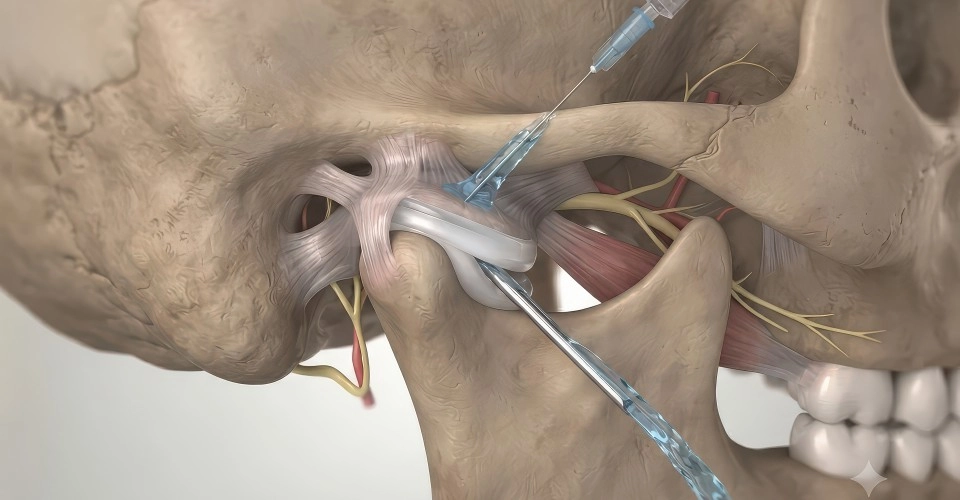
When conservative treatment does not provide adequate relief, minimally invasive procedures may be considered for selected patients. One option is TMJ arthrocentesis, a procedure that uses sterile fluid to irrigate the joint space. Arthrocentesis may help reduce inflammation, improve jaw mobility, and relieve pain in appropriate cases.
Other targeted treatments may also be considered depending on the specific condition affecting the joint. Your surgeon will evaluate the cause of your symptoms and explain the potential benefits, limitations, and alternatives before recommending a procedure.
TMJ Surgery & Advanced Treatment Options
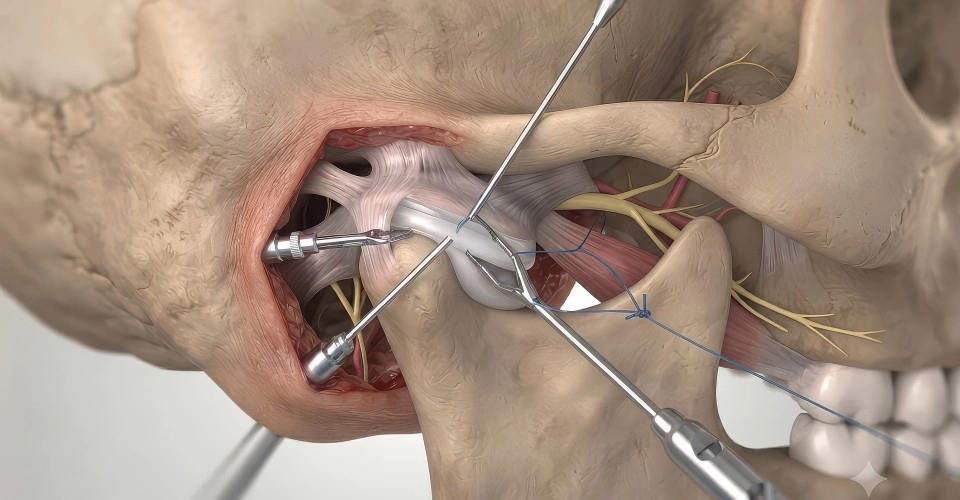
For patients with significant structural damage or other conditions that do not respond adequately to less invasive treatment, surgical options may be appropriate. Depending on the condition of the joint, procedures may include repair or removal of damaged tissue, treatment of abnormal joint structures, or other specialized surgical techniques.
In severe cases involving significant joint destruction or loss of function, total joint replacement may be considered. This involves replacing the damaged joint with a prosthetic joint designed to restore jaw function. Surgical treatment is carefully planned and recommended only when appropriate for the patient's specific condition.
Advanced imaging and digital treatment planning can help your surgeon evaluate the complex anatomy of the temporomandibular joint and surrounding structures. Detailed planning allows treatment to be tailored to the patient's anatomy, symptoms, and long-term functional goals.
Personalized Care for TMJ Disorders
TMJ treatment is highly individualized because every patient's symptoms, anatomy, and underlying condition are different. Some patients may benefit from conservative care alone, while others may require minimally invasive treatment or more advanced surgical intervention. The goal is to identify the source of the problem and develop a treatment plan that helps reduce discomfort, improve jaw function, and protect long-term joint health.
Persistent jaw pain, difficulty opening or closing the mouth, recurring joint swelling, locking, or significant changes in jaw function should be evaluated by a qualified dental or medical professional. An oral and maxillofacial surgeon can help determine whether your symptoms are related to the temporomandibular joints and whether specialized treatment is appropriate.
Whether you are experiencing jaw pain, clicking and popping, limited movement, headaches, or difficulty chewing, Mountaineer Oral & Maxillofacial Surgeons provides comprehensive evaluation and treatment for TMJ disorders in Charleston, Ripley, and surrounding communities throughout West Virginia. Our team uses detailed examinations, appropriate diagnostic imaging, and personalized treatment planning to help patients achieve improved comfort and jaw function.