
STEM CELLS
Understanding Stem Cells & Regenerative Medicine
Stem cell therapy is an emerging area of regenerative medicine that focuses on using the body's natural healing capabilities to support the repair and regeneration of damaged tissues. In oral and maxillofacial surgery, stem cells are being studied and utilized as part of advanced regenerative techniques designed to improve bone formation, tissue healing, and reconstruction of the oral and facial structures. These innovative approaches continue to expand the possibilities for patients requiring dental implants, bone regeneration, and complex surgical procedures.
Regenerative Potential & Expert Evaluation
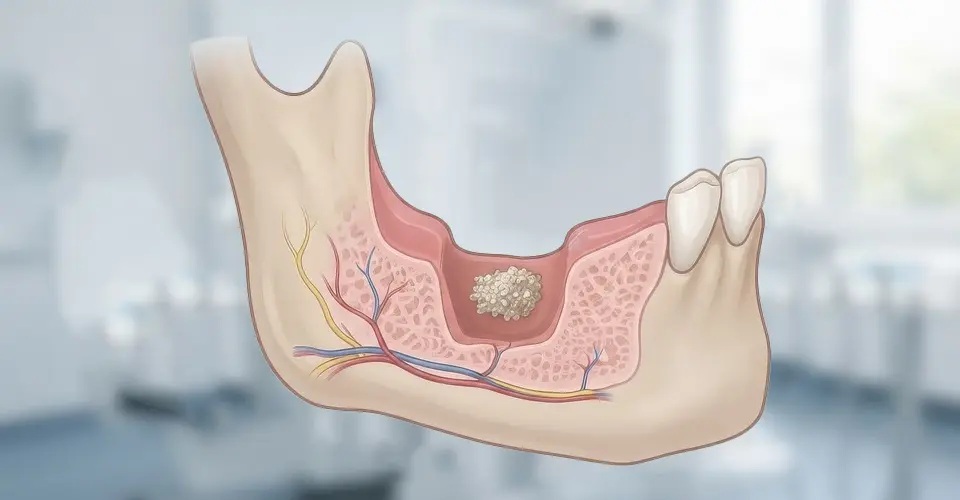
The mouth and jaws have remarkable regenerative potential due to the presence of naturally occurring stem cells within oral tissues, bone marrow, and other areas of the body. Stem cells are unique because they have the ability to develop into different types of specialized cells, including bone-forming cells and other tissue types. When incorporated into carefully planned regenerative procedures, stem cell-based therapies may help support the body's natural healing processes and improve the quality of newly formed tissue.
Oral and maxillofacial surgeons are at the forefront of regenerative procedures involving the teeth, jaws, and facial structures. Their advanced surgical training allows them to evaluate complex cases involving bone loss, tissue damage, and reconstruction while determining whether regenerative therapies may be appropriate. Through comprehensive evaluation, advanced imaging, and personalized treatment planning, your surgeon can identify the most effective approach for your individual needs.
Bone Regeneration, Grafting & Implant Stability
One of the most important applications of stem cell research in oral surgery is bone regeneration. Adequate bone volume is essential for many procedures, particularly dental implant placement. Following tooth loss, the jawbone can gradually shrink because it no longer receives stimulation from natural tooth roots. Regenerative techniques involving stem cells are being explored as a way to enhance bone formation and improve the foundation available for implant-supported restorations.
Stem cell-based approaches may also play a role in combination with bone grafting procedures. Traditional bone graft materials provide a framework that supports new bone development, while regenerative technologies aim to enhance the body's ability to create healthy new tissue. By combining advanced grafting materials with the body's own healing mechanisms, oral surgeons can continue to improve treatment options for patients with significant bone loss.
For dental implant patients, successful treatment depends on a strong and healthy connection between the implant and surrounding jawbone through a process called osseointegration. Regenerative therapies involving stem cells are being investigated for their potential to support bone healing, improve tissue quality, and enhance the environment needed for long-term implant stability.
Soft Tissue Regeneration, 3D Imaging & The Future of Care
Stem cells may also have applications in the regeneration of soft tissues, periodontal structures, and other areas involved in oral healing. Research continues to explore how regenerative medicine may support recovery after oral surgery, trauma, and reconstructive procedures. As this field advances, new techniques may provide additional options for improving healing and restoring function.
Advanced imaging and digital treatment planning are important components of regenerative oral surgery. Three-dimensional CBCT imaging allows your oral surgeon to evaluate bone structure, identify areas requiring reconstruction, and precisely plan procedures involving regenerative materials. This combination of technology and biology allows for increasingly predictable treatment outcomes.
It is important to understand that stem cell technology in oral surgery is an evolving field. While research continues to demonstrate promising potential, not every procedure requires stem cell-based treatment, and applications vary depending on the specific clinical situation. Your oral and maxillofacial surgeon will evaluate your condition, discuss available options, and recommend treatments based on established evidence and your individual goals.
The future of regenerative oral surgery continues to advance as researchers explore new methods for harnessing the body's natural ability to heal. Innovations involving stem cells, platelet-rich therapies, growth factors, and advanced biomaterials may continue to improve treatment possibilities for patients requiring bone reconstruction, dental implants, and complex oral rehabilitation.
Advancing Oral & Maxillofacial Surgery
Stem cell research represents an exciting advancement in the future of oral and maxillofacial surgery. By combining regenerative science with advanced surgical expertise, oral surgeons are helping expand the possibilities for rebuilding bone, supporting healing, and restoring oral function. Through careful evaluation and personalized treatment planning, regenerative approaches may provide additional solutions for patients seeking advanced surgical care.