
PRE-PROSTHETIC SURGERY
Understanding Pre-Prosthetic Surgery
Pre-prosthetic surgery is a specialized area of oral and maxillofacial surgery focused on preparing the mouth and jaw for dentures or other removable dental prosthetics. The goal of these procedures is to create a healthier, more comfortable foundation that allows dentures to fit securely, function properly, and provide improved comfort and confidence. When the shape of the jawbone, gums, or supporting tissues prevents a denture from fitting correctly, pre-prosthetic surgery can help reshape and optimize the oral environment before prosthetic treatment.
Challenges After Tooth Loss & Specialized Care
Many patients who wear or need dentures experience challenges related to changes in the jaw and soft tissues after tooth loss. Over time, the jawbone naturally shrinks and remodels once teeth are removed because it no longer receives stimulation from tooth roots. This bone loss can create uneven areas, sharp ridges, or insufficient support for dentures, leading to discomfort, poor stability, sore spots, and difficulty eating or speaking. Pre-prosthetic surgery addresses these concerns by improving the underlying anatomy before denture placement.
Oral and maxillofacial surgeons are uniquely qualified to perform pre-prosthetic procedures because of their advanced training in the anatomy and surgical management of the jaws, facial structures, and oral tissues. Each patient's anatomy is different, so treatment begins with a comprehensive evaluation that may include a clinical examination, digital imaging, and 3D CBCT scans. This allows your surgeon to identify areas that may interfere with denture comfort and develop a personalized treatment plan.
Alveoloplasty & Soft Tissue Adjustments
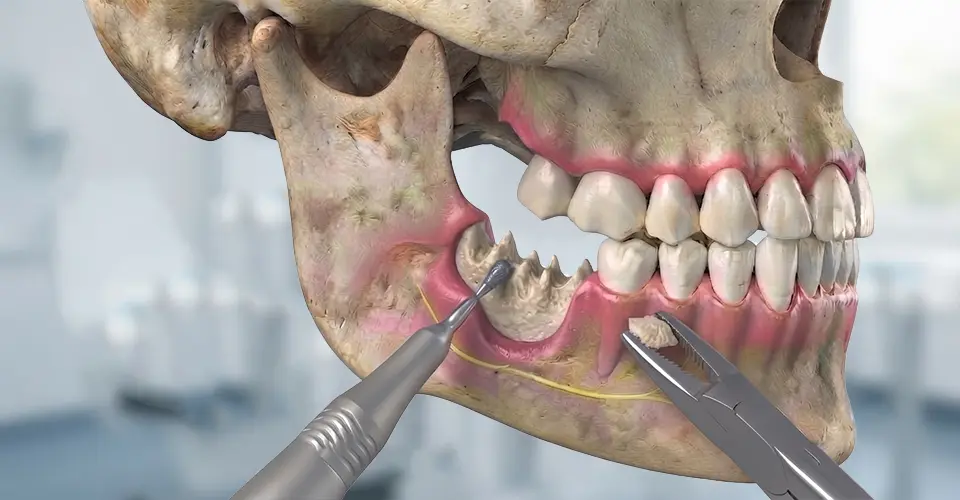
One of the most common pre-prosthetic procedures is alveoloplasty, which involves carefully reshaping and smoothing the jawbone after tooth removal. Irregular bone areas, sharp edges, or uneven ridges can create pressure points beneath a denture and cause discomfort. By contouring the bone, your oral surgeon creates a smoother foundation that allows the denture to rest more comfortably and function more effectively.
Other pre-prosthetic procedures may include removal of excess bone, treatment of bony growths such as tori, soft tissue adjustments, or removal of excess gum tissue that interferes with proper denture fit. These procedures are designed to improve the shape and condition of the supporting tissues, allowing the final prosthesis to fit more naturally and provide better stability.
Bone Grafting & Implant-Supported Options
For patients with significant bone loss, additional procedures such as bone grafting may be recommended to rebuild areas of the jaw that lack adequate support. Bone augmentation can improve the shape and volume of the jaw while also expanding future treatment options, including dental implants or implant-supported dentures. Your oral surgeon will discuss whether grafting or other regenerative procedures may benefit your long-term oral health goals.
In some cases, patients who struggle with traditional dentures may benefit from implant-supported prosthetics rather than conventional removable dentures. Dental implants provide a stable foundation that helps anchor a denture securely while reducing movement and improving chewing ability. Pre-prosthetic surgery may play an important role in preparing the jaw for implant placement by creating ideal conditions for long-term success.
Digital Planning, Patient Comfort & Recovery
Advanced digital imaging and surgical planning allow oral surgeons to perform pre-prosthetic procedures with greater accuracy than ever before. 3D imaging helps evaluate bone structure, identify anatomical considerations, and determine the most effective surgical approach. This technology improves predictability while helping patients better understand their treatment plan before surgery begins.
Patient comfort is a priority throughout the pre-prosthetic surgery process. Procedures are performed using modern anesthesia and sedation techniques to ensure a comfortable experience. Depending on the complexity of treatment and individual patient needs, options may include local anesthesia, nitrous oxide, intravenous (IV) sedation, or other forms of anesthesia. Your oral surgeon will review all available options during your consultation.
Recovery after pre-prosthetic surgery varies depending on the type and extent of the procedure performed. Most patients experience some swelling, tenderness, or temporary changes in oral function during the initial healing period. Following post-operative instructions regarding diet, oral hygiene, and activity restrictions helps promote proper healing and prepares the mouth for successful prosthetic treatment.
An Essential Foundation for Lasting Comfort
A properly prepared oral foundation is essential for achieving the best possible denture outcome. Without adequate support, dentures may shift, cause irritation, or make normal activities such as eating and speaking more difficult. Pre-prosthetic surgery helps address these underlying anatomical challenges so patients can experience improved comfort, stability, and confidence with their dental prosthesis.
Whether you are preparing for your first set of dentures, replacing an existing prosthesis, or exploring implant-supported options, an experienced oral and maxillofacial surgeon can help ensure your mouth is properly prepared for long-term success. Through advanced surgical techniques, personalized treatment planning, and a focus on restoring function and comfort, pre-prosthetic surgery helps create the foundation needed for a healthier, more confident smile.