
PLATELET-RICH PLASMA (PRP)
Understanding Platelet-Rich Plasma & Regeneration
Platelet-rich plasma (PRP) is an advanced regenerative treatment that uses components of a patient's own blood to support healing, tissue repair, and recovery following oral and maxillofacial surgery procedures. By concentrating platelets and growth factors naturally found in the blood, PRP can enhance the body's healing response and promote more efficient regeneration of bone and soft tissues. This innovative technology is used by oral and maxillofacial surgeons as part of comprehensive treatment plans for procedures such as dental implants, bone grafting, extractions, and other surgical treatments.
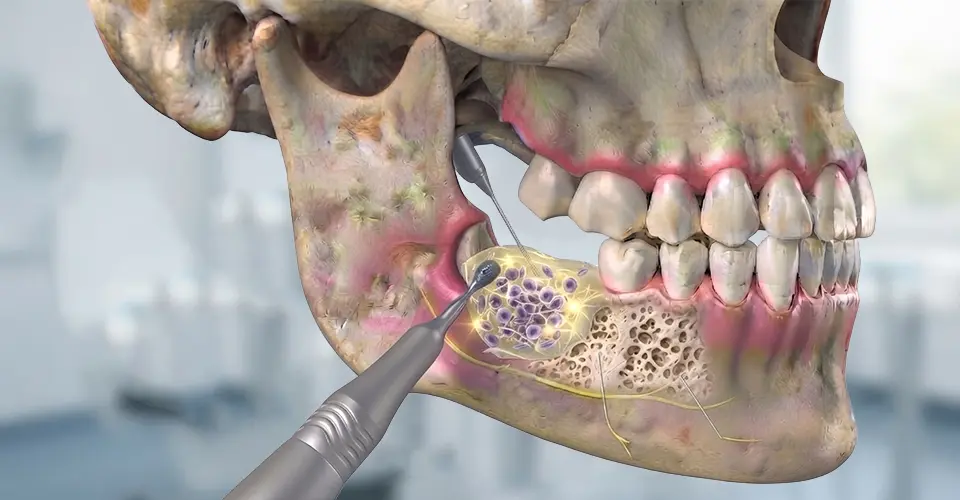
The Healing Process & Specialized Evaluation
The healing process relies on platelets, which play an essential role in blood clot formation and tissue regeneration. Platelets contain powerful growth factors that help signal the body to repair damaged tissues, form new blood vessels, and support the development of healthy bone and soft tissue. PRP technology concentrates these naturally occurring healing components and places them directly into the surgical site where they can provide targeted support during recovery.
Oral and maxillofacial surgeons utilize PRP because of its potential to improve healing in procedures involving the teeth, jaws, and facial structures. Following a thorough evaluation, your surgeon may determine that PRP is an appropriate addition to your treatment plan based on the type of procedure being performed, your individual healing needs, and your overall oral health goals.
The PRP Process & Dental Implant Applications
The PRP process begins with a simple blood draw performed shortly before surgery. The blood sample is placed into a specialized centrifuge that separates and concentrates the platelets and growth factors from other blood components. The resulting platelet-rich preparation is then carefully applied to the surgical area, where it works alongside the body's natural healing processes to support recovery.
One of the most common applications of PRP in oral surgery is supporting dental implant procedures. Successful implant treatment depends on proper healing and the ability of the implant to integrate with the surrounding jawbone through a process called osseointegration. By delivering concentrated growth factors directly to the treatment area, PRP may help support the healing environment and contribute to predictable implant outcomes.
Bone Grafting, Extractions & Biocompatibility
PRP is also frequently used alongside bone grafting procedures. When patients require additional bone before receiving dental implants, the body must create new bone within the grafted area. PRP can be combined with bone graft materials to support tissue regeneration and encourage a more favorable healing response. This combination of advanced grafting materials and regenerative biology allows oral surgeons to provide more comprehensive treatment for patients with bone loss.
After tooth extraction, PRP may also be used to support healing and help preserve the extraction site. Following removal of a tooth, the surrounding bone and soft tissues begin a natural healing process. Applying PRP to the extraction site may assist with tissue repair, improve clot formation, and support the preservation of the underlying bone structure, especially when future dental implant placement is planned.
Because PRP is created from the patient's own blood, it is considered a natural and biocompatible treatment option. The risk of rejection or allergic reaction is extremely low because no foreign materials are introduced into the body. This makes PRP an appealing regenerative option for many patients undergoing oral surgery procedures where enhanced healing support may be beneficial.
Advanced Treatment Integration, Patient Selection & Recovery
Advanced oral surgery often combines multiple technologies to improve safety, precision, and outcomes. PRP may be incorporated with procedures such as bone grafting, sinus lifts, implant placement, and reconstructive surgery as part of a customized treatment approach. When combined with 3D imaging, digital treatment planning, and modern surgical techniques, regenerative therapies help expand the possibilities for successful oral rehabilitation.
While PRP can provide valuable benefits in selected cases, it is not necessary for every patient or every procedure. Your oral and maxillofacial surgeon will evaluate your specific situation, review your treatment goals, and determine whether PRP may improve your surgical experience or healing process. Personalized treatment planning ensures that you receive the therapies most appropriate for your needs.
Recovery after PRP-assisted procedures is similar to recovery from the underlying surgical procedure being performed. Patients may experience temporary swelling, tenderness, or discomfort as part of the normal healing process. Following your surgeon's post-operative instructions regarding oral hygiene, diet, medications, and activity restrictions is essential for achieving the best possible outcome.
Harnessing Natural Healing for Successful Outcomes
Platelet-rich plasma represents an exciting advancement in regenerative oral surgery by harnessing the body's own natural healing abilities. Through the use of concentrated growth factors, PRP can support tissue repair, enhance healing, and improve the predictability of many surgical procedures. When incorporated into a personalized treatment plan by an experienced oral and maxillofacial surgeon, PRP provides another powerful tool for helping patients achieve healthier, stronger, and more successful treatment outcomes.