
ORAL PATHOLOGY
Understanding Oral Pathology
Oral pathology is the diagnosis and treatment of diseases affecting the mouth, jaws, lips, tongue, salivary glands, and surrounding oral and facial tissues. While many changes inside the mouth are harmless, others may indicate infection, cysts, tumors, autoimmune disorders, precancerous conditions, or oral cancer. Because many oral diseases develop with few or no symptoms during their early stages, routine examinations and prompt evaluation of unusual changes are essential for protecting your oral and overall health.
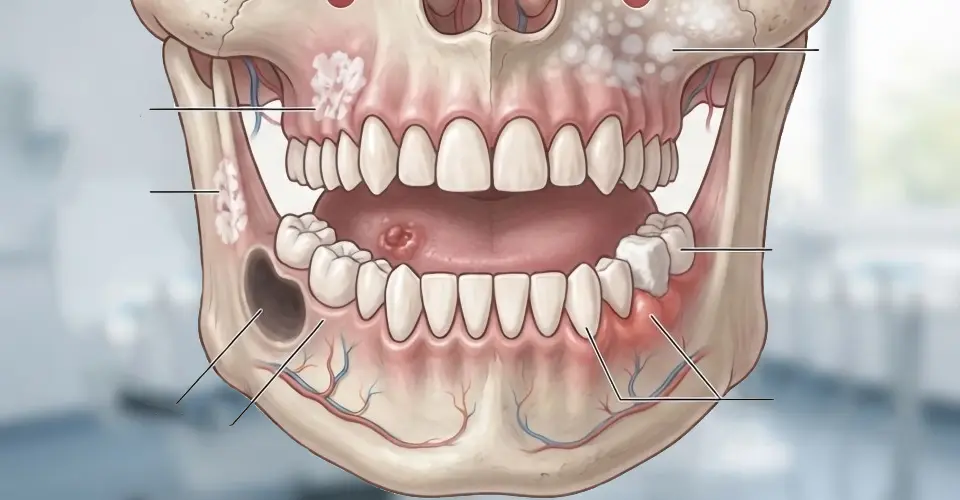
Clues to Your Overall Health & Warning Signs
Your mouth often provides important clues about your overall health. Persistent sores, red or white patches, lumps, swelling, chronic pain, numbness, or changes that do not heal within two weeks should never be ignored. Oral and maxillofacial surgeons are specially trained to recognize both common and uncommon oral diseases, allowing for early diagnosis and timely treatment when necessary. Detecting problems early often leads to simpler treatment and significantly better outcomes.
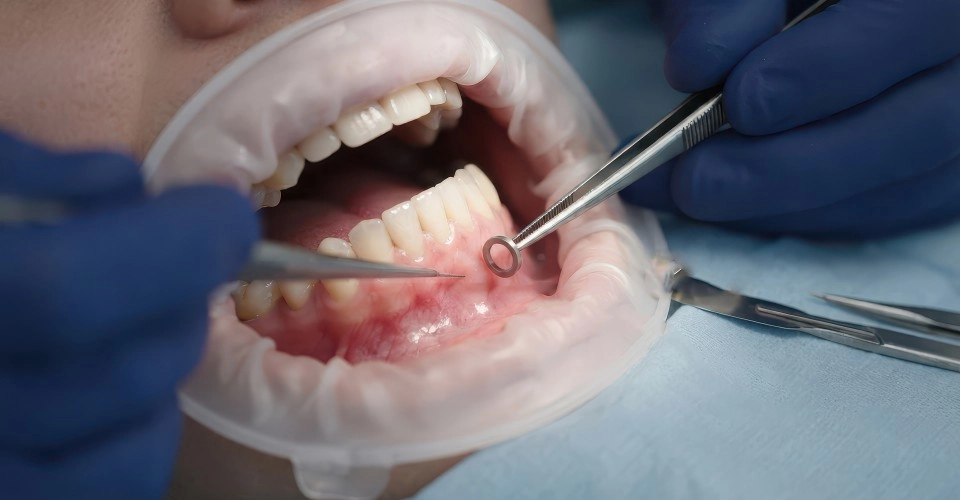
Evaluating Lesions & Oral Biopsies
Many oral lesions are completely benign and may result from irritation, trauma, infections, or inflammatory conditions. However, because it is impossible to accurately diagnose many abnormalities through visual examination alone, additional testing may be recommended. A comprehensive evaluation often includes a detailed medical history, clinical examination, advanced digital imaging, and, when appropriate, a biopsy to determine the exact nature of the lesion.
An oral biopsy is a simple surgical procedure that involves removing a small sample of tissue for microscopic examination by a specialized oral pathologist. Biopsies are commonly performed to evaluate suspicious growths, persistent ulcers, cysts, unusual discolorations, or other tissue changes that cannot be diagnosed through examination alone. The procedure is typically completed using local anesthesia, allowing patients to remain comfortable while providing valuable diagnostic information that guides treatment decisions.
Conditions, Early Detection of Oral Cancer & Risk Factors
Oral pathology encompasses a wide range of conditions, including benign cysts, tumors, salivary gland disorders, infections, autoimmune diseases, bone lesions, developmental abnormalities, and precancerous changes. While hearing the word "biopsy" can understandably cause concern, the majority of oral lesions are not cancerous. Nevertheless, obtaining an accurate diagnosis is essential to ensure that appropriate treatment begins as early as possible when needed.
One of the most important aspects of oral pathology is the early detection of oral cancer. Oral cancer can develop on the tongue, lips, floor of the mouth, cheeks, palate, gums, or other oral tissues. When identified in its earliest stages, treatment is often less extensive and significantly more successful. Regular examinations and prompt evaluation of suspicious lesions play a critical role in improving long-term outcomes and preserving both function and appearance.
Certain factors may increase the risk of developing oral disease, including tobacco use, excessive alcohol consumption, prolonged sun exposure to the lips, human papillomavirus (HPV), chronic irritation, and a family history of certain cancers. However, oral pathology can affect individuals of any age and even those with no known risk factors. This is why every persistent abnormality deserves professional evaluation regardless of your medical history.
Advanced Technology & Personalized Treatment
Advanced diagnostic technology allows oral and maxillofacial surgeons to evaluate abnormalities with exceptional precision. Digital imaging, including panoramic X-rays and 3D CBCT scans, helps assess lesions involving the jawbone, teeth, salivary glands, and surrounding structures. These tools allow your surgeon to determine the size, location, and extent of a lesion while developing the most appropriate treatment plan.
Treatment recommendations depend entirely on the final diagnosis. Some lesions simply require observation and periodic monitoring, while others may need surgical removal, medication, referral to additional medical specialists, or coordinated treatment with physicians, oncologists, dermatologists, or ENT specialists. Every treatment plan is personalized to address both the diagnosis and the individual needs of each patient.
Recovery, Routine Visits & Patient Commitment
Most biopsy procedures and minor oral surgeries involve minimal discomfort and relatively short recovery periods. Patients are typically able to resume many normal daily activities within a day or two while following simple post-operative instructions. Mild soreness is expected after the procedure, but discomfort is usually well-controlled with over-the-counter or prescribed medications, depending on the extent of treatment.
Routine dental visits play an important role in identifying oral abnormalities before they become more serious. However, if you notice a sore that does not heal, unexplained bleeding, swelling, numbness, difficulty swallowing, loose teeth without an obvious cause, or any unusual lump or discoloration inside your mouth, scheduling an evaluation as soon as possible is recommended. Early diagnosis provides the greatest opportunity for successful treatment and long-term health.
Our practice is committed to providing thorough, compassionate care for patients with oral lesions and other abnormalities affecting the mouth and jaws. Through comprehensive examinations, advanced diagnostic technology, and timely treatment, we strive to identify problems early and provide the highest standard of care. Whether you require a simple biopsy, treatment for a benign lesion, or further evaluation of a more complex condition, our goal is to protect your health, preserve normal oral function, and provide you with peace of mind through accurate diagnosis and expert care.