
FACIAL TRAUMA
Understanding Facial Trauma
Facial trauma refers to injuries involving the bones, teeth, jaws, soft tissues, and surrounding structures of the face. These injuries can occur suddenly as the result of motor vehicle accidents, sports injuries, falls, workplace accidents, physical altercations, or other traumatic events. Because the face plays a vital role in speaking, eating, breathing, vision, and appearance, prompt evaluation and treatment by a skilled oral and maxillofacial surgeon is essential. Our goal is not only to repair injuries but also to restore normal function, facial symmetry, and your overall quality of life.
Expert Hospital-Based Surgical Training
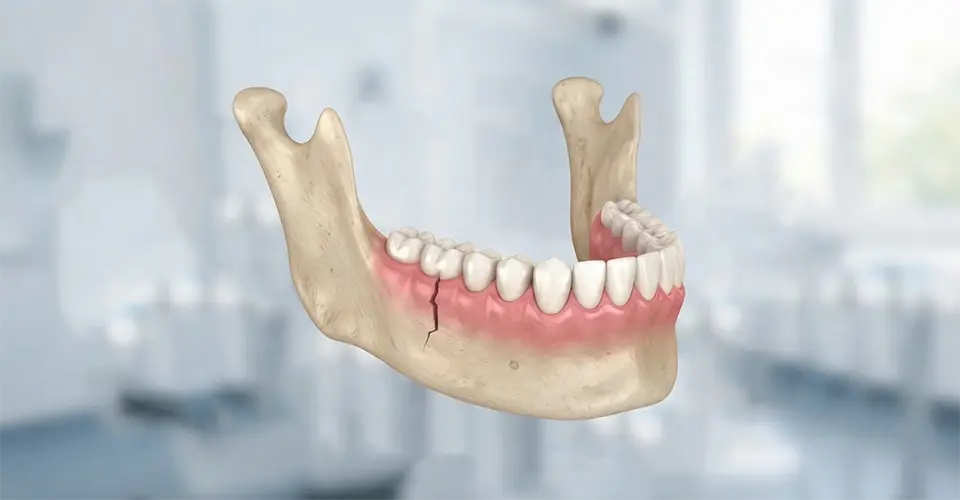
Oral and maxillofacial surgeons receive extensive hospital-based surgical training that uniquely qualifies them to diagnose and treat complex facial injuries. From fractured jaws and broken facial bones to damaged teeth and soft tissue lacerations, we use advanced imaging, precise surgical techniques, and comprehensive treatment planning to restore both form and function. Every facial injury is different, which is why each treatment plan is customized to the specific needs of the patient and the severity of the trauma.
Fractures & Rigid Fixation
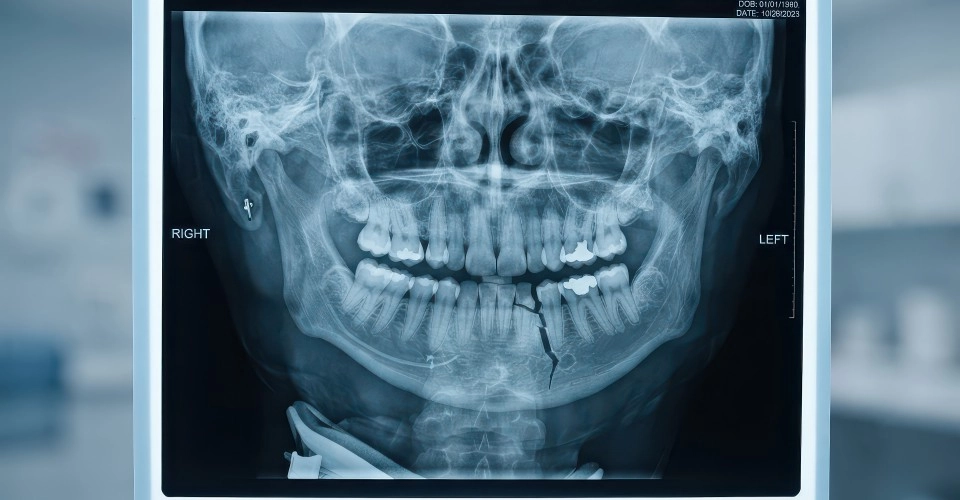
Facial trauma often involves fractures of the upper or lower jaw, cheekbones, eye sockets, nose, or other facial bones. These fractures can interfere with your ability to chew, speak, breathe, or open and close your mouth comfortably. Depending on the location and severity of the injury, treatment may involve carefully repositioning fractured bones and securing them with small titanium plates and screws. These fixation devices are designed to stabilize the bones while they heal and typically remain in place permanently without causing discomfort.
Dental & Soft Tissue Injuries
Dental injuries are also common following facial trauma. Teeth may become fractured, loosened, displaced, or completely knocked out during an accident. Prompt treatment significantly increases the chances of saving injured teeth and preventing additional complications. In cases where teeth cannot be preserved, dental implants and other restorative procedures can help replace missing teeth and restore a healthy, functional smile after healing is complete.
Soft tissue injuries involving the lips, cheeks, tongue, gums, or facial skin require careful attention to ensure proper healing and minimize visible scarring. Oral and maxillofacial surgeons are trained to repair these delicate tissues with precision while preserving both appearance and function. Careful wound management helps reduce the risk of infection and promotes the best possible cosmetic outcome.
Restoring Your Bite & Advanced 3D Technology
One of the primary goals of facial trauma treatment is restoring your bite. Even small changes in jaw alignment can make chewing uncomfortable and place excessive stress on the teeth and jaw joints. By accurately repositioning fractured bones and injured teeth, your oral surgeon helps restore proper occlusion, allowing your teeth to fit together naturally and comfortably once healing is complete.
Advanced digital technology plays an important role in modern facial trauma care. High-resolution 3D CBCT imaging and CT scans allow your surgeon to evaluate fractures in remarkable detail, identify hidden injuries, and develop a precise surgical plan before treatment begins. This level of planning improves surgical accuracy, shortens procedure times, and contributes to more predictable long-term outcomes.
Multidisciplinary Care & Recovery
Facial trauma frequently occurs alongside injuries involving other parts of the body. Oral and maxillofacial surgeons often work closely with emergency physicians, trauma surgeons, plastic surgeons, ENT specialists, ophthalmologists, and other medical professionals to provide coordinated care. This multidisciplinary approach ensures that every aspect of your injury is evaluated and treated appropriately while prioritizing your overall health and recovery.
Following treatment, your surgeon will provide detailed instructions to support proper healing. Depending on the type of injury, patients may need to follow a soft-food diet, avoid strenuous activities, maintain excellent oral hygiene, and attend scheduled follow-up appointments to monitor healing. Most patients experience gradual improvement over several weeks as swelling subsides and normal function returns.
Long-Term Health & Timely Care
Beyond repairing fractures and injuries, facial trauma treatment focuses on preserving your long-term oral health and facial appearance. Proper treatment can help prevent chronic pain, bite problems, jaw dysfunction, facial asymmetry, and future complications that may develop if injuries are left untreated. Early intervention often leads to faster healing, improved function, and better cosmetic outcomes.
Whether your injury involves a broken jaw, facial fracture, damaged teeth, or complex soft tissue injuries, timely care from an experienced oral and maxillofacial surgeon can make a significant difference in your recovery. Our team is committed to providing compassionate, comprehensive treatment using the latest surgical techniques to restore your comfort, confidence, and quality of life after facial trauma.
Facial injuries can be physically and emotionally overwhelming, but you don't have to face recovery alone. Through advanced surgical care, personalized treatment planning, and close follow-up throughout the healing process, we are dedicated to helping you regain normal function, restore your appearance, and return to your everyday life with confidence. If you have experienced facial trauma, seeking prompt evaluation is one of the most important steps toward achieving the best possible outcome.