
BONE MORPHOGENETIC PROTEIN (BMP)
Understanding Bone Morphogenetic Protein & Regeneration
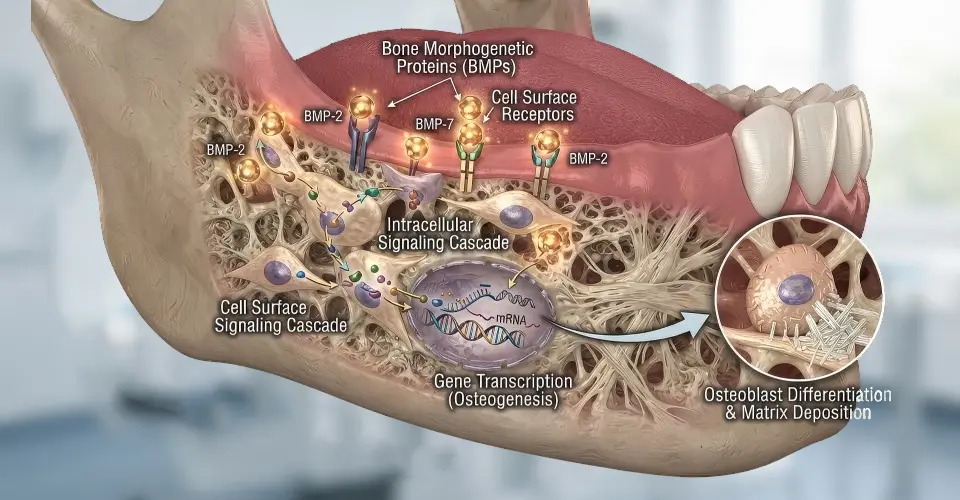
Bone morphogenetic protein (BMP) is an advanced biologic treatment used in oral and maxillofacial surgery to help stimulate the body's natural ability to form new bone. BMPs are naturally occurring proteins involved in bone development and healing. When used in carefully selected surgical procedures, these regenerative materials can encourage new bone growth, improve healing, and help create a stronger foundation for procedures such as dental implant placement, bone reconstruction, and other complex oral surgery treatments.
Maintaining Bone Volume & Specialized Care
Maintaining adequate bone volume is essential for many areas of oral health, especially when replacing missing teeth with dental implants. After tooth loss, the jawbone can gradually shrink due to the lack of stimulation from natural tooth roots. In some cases, patients may not have enough healthy bone to support an implant or may require additional procedures to rebuild areas affected by bone loss. BMP technology provides an advanced option for supporting bone regeneration and improving treatment outcomes.
Oral and maxillofacial surgeons are highly trained in the use of advanced bone regeneration techniques because of their extensive experience treating conditions involving the jaw, facial bones, and supporting oral structures. During a comprehensive evaluation, your surgeon will assess your bone quality, anatomy, and treatment goals using clinical examination and advanced imaging such as 3D CBCT scans. This information helps determine whether BMP or another regenerative approach may be appropriate for your specific needs.
How BMP Works & Clinical Applications
Bone morphogenetic proteins work by signaling the body's own cells to begin the process of bone formation. When placed in the treatment area, BMP can help recruit and stimulate bone-forming cells, encouraging the development of new bone tissue. This regenerative process may improve the volume, density, and quality of available bone, helping create a more stable foundation for future dental procedures.
BMP may be used in a variety of oral surgery applications, including certain bone grafting procedures, jaw reconstruction, ridge augmentation, and complex implant-related treatments. For patients with areas of significant bone loss, BMP can be considered as part of a comprehensive treatment plan designed to restore the structure and strength needed for successful rehabilitation.
Benefits, Implant Success & Advanced Planning
One of the potential benefits of BMP technology is its ability to support bone formation without requiring the patient to provide bone from another area of the body. Traditional bone grafting techniques may sometimes involve harvesting bone from another location, while regenerative materials such as BMP can provide an alternative approach in appropriate cases. Your oral surgeon will evaluate your individual situation and determine which method offers the best balance of safety, predictability, and long-term success.
For dental implant patients, achieving sufficient bone volume is one of the most important factors in creating a stable and long-lasting result. Dental implants depend on a process called osseointegration, where the implant fuses with the surrounding jawbone. By improving bone quality and quantity, regenerative techniques involving BMP may help patients who require additional support before or during implant treatment.
Patient Selection, Recovery & Modern Advancements
Advanced treatment planning plays an important role in successful bone regeneration procedures. Using detailed 3D imaging, your oral surgeon can evaluate the exact location and extent of bone loss, identify nearby anatomical structures, and design a surgical approach customized to your needs. This precision allows for safer procedures and more predictable healing outcomes.
As with any surgical treatment, the use of BMP requires careful patient selection and expert planning. Your oral surgeon will consider factors such as your overall health, medical history, the location and size of the bone defect, and your long-term treatment goals before recommending BMP as part of your care plan. Not every patient requires BMP, but for properly selected cases, it can be a valuable tool in modern bone regeneration.
Recovery following BMP-assisted bone regeneration depends on the complexity of the procedure and the area being treated. Patients may experience temporary swelling, tenderness, or changes in oral function during the healing period. Following your surgeon's instructions regarding diet, oral hygiene, and activity restrictions is essential for supporting proper healing and achieving the best possible result.
Transforming Oral Reconstruction & Restoring Function
Advances in regenerative medicine have transformed the way oral surgeons approach bone loss and reconstruction. Technologies such as bone morphogenetic protein, combined with modern grafting materials, digital imaging, and precise surgical techniques, allow many patients to receive treatments that were not possible in the past. These advancements continue to expand options for dental implants, facial reconstruction, and restoring healthy oral function.
Bone morphogenetic protein represents an important advancement in the field of oral and maxillofacial surgery by supporting the body's natural healing and regenerative abilities. Through careful evaluation, advanced surgical planning, and personalized treatment, BMP may help rebuild lost bone, improve implant success, and restore the foundation needed for a healthy, functional smile.