
BONE GRAFTING
What Is Bone Grafting?
Bone grafting is a specialized oral surgery procedure used to rebuild and strengthen areas of the jawbone that have deteriorated due to tooth loss, periodontal disease, trauma, infection, or other conditions. A healthy jawbone provides the strong foundation necessary to support natural teeth and dental implants. When bone volume is insufficient, bone grafting can restore lost bone, improve oral health, and create the stable foundation needed for successful long-term dental implant placement. Modern bone grafting techniques have made it possible for many patients who were previously told they were not candidates for dental implants to receive life-changing tooth replacement treatment.
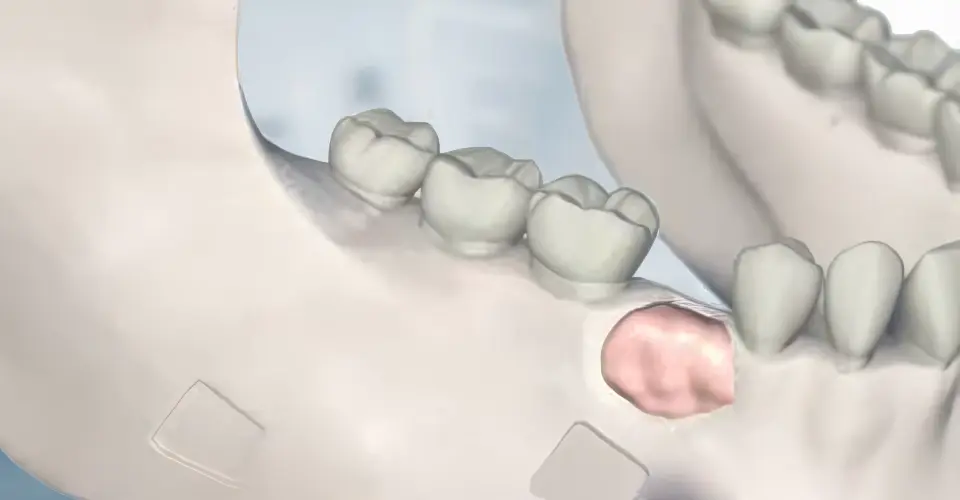
Reversing Bone Loss After Extraction
After a tooth is lost or extracted, the surrounding jawbone naturally begins to shrink because it no longer receives stimulation from the tooth root. In fact, significant bone loss can occur during the first year following tooth loss and continue gradually over time. This loss of bone can affect facial appearance, alter the bite, make future tooth replacement more difficult, and reduce the amount of available bone needed to securely anchor dental implants. Bone grafting helps reverse this process by restoring lost bone volume and encouraging the body's natural healing mechanisms to generate healthy new bone tissue.
Timing and 3D Imaging
Bone grafting is commonly recommended before dental implant placement when there is not enough healthy bone to support an implant securely. Depending on your individual needs, the graft may be performed several months before implant placement or, in many cases, at the same time as implant surgery. Advanced 3D CBCT imaging allows your oral surgeon to carefully evaluate your jawbone and determine the most effective treatment approach for achieving long-lasting implant success.
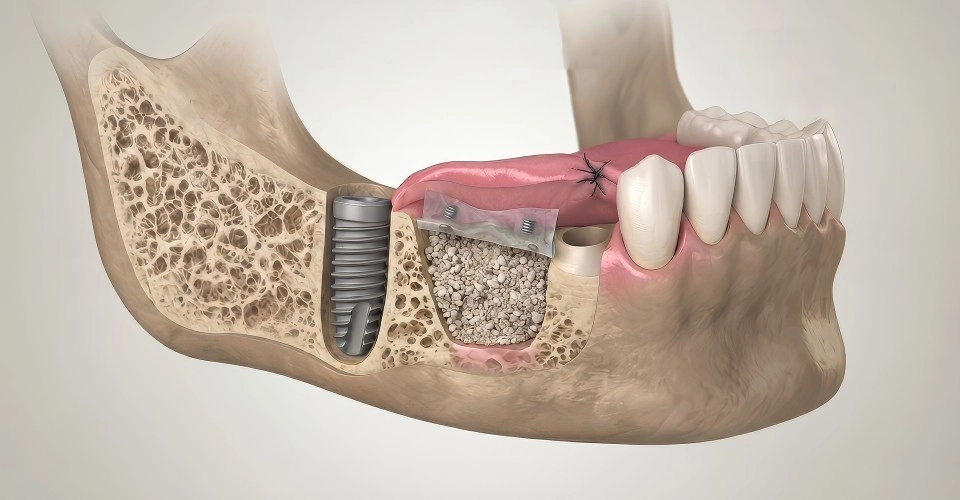
Bone Grafting Materials & Sources
Several different types of bone grafting materials are available, and the best option depends on your unique clinical situation. Bone grafts may come from your own body, donated human bone, animal-derived materials that have been specially processed for safety, or highly biocompatible synthetic materials. Regardless of the source, each graft serves as a scaffold that encourages your body to produce new, healthy bone during the healing process. Over time, the graft material is gradually replaced by your own natural bone.
Socket Preservation, Ridge Augmentation & Sinus Lifts
Bone grafting procedures can vary from relatively small socket preservation grafts performed immediately after a tooth extraction to more advanced ridge augmentation procedures that rebuild larger areas of the jaw. Socket preservation helps minimize bone loss after an extraction by filling the empty socket with grafting material, preserving the natural shape of the jaw and making future implant placement more predictable. Ridge augmentation restores areas where significant bone loss has already occurred, rebuilding the width and height of the jaw to support dental implants and improve facial aesthetics.
Patients requiring implants in the upper back jaw may also benefit from a sinus lift procedure, a specialized type of bone graft that increases available bone beneath the maxillary sinus. Because the sinus cavity naturally expands over time after upper molars are lost, there may not be enough bone height to securely place implants. A sinus lift gently elevates the sinus membrane while placing bone graft material underneath, creating sufficient bone for future implant placement and significantly improving long-term implant stability.
Preserving Facial Structure & Implant Success
One of the greatest benefits of bone grafting is that it helps preserve your facial structure. As jawbone deteriorates, the lower portion of the face can begin to collapse inward, creating a prematurely aged appearance with sunken cheeks and thinner lips. Rebuilding the jawbone helps maintain natural facial contours while providing the structural support needed for healthy gums, stable implants, and an attractive smile.
Bone grafting also improves the long-term success of dental implants. Dental implants rely on strong, healthy bone to integrate properly and withstand the daily forces of chewing and speaking. By increasing both the volume and density of available bone, grafting creates a more secure foundation that helps maximize implant stability, function, and longevity. This significantly increases the likelihood of successful implant treatment for many years to come.
Surgical Advances & Comfort
Advances in regenerative dentistry have made bone grafting more predictable and comfortable than ever before. Many procedures incorporate advanced biologic materials such as platelet-rich fibrin (PRF), which utilizes components of your own blood to promote faster healing and tissue regeneration. These modern techniques help reduce recovery time while encouraging more efficient bone growth and improved surgical outcomes.
Most bone grafting procedures are performed comfortably using local anesthesia, with sedation options available for patients who experience dental anxiety or require more extensive treatment. Following surgery, mild swelling and discomfort are common but typically well-managed with prescribed or over-the-counter medications. Most patients return to their normal daily routines within a day or two while following post-operative instructions to ensure proper healing.
Healing Times, Candidates & Investment
Healing times vary depending on the size and location of the graft as well as each patient's overall health and healing ability. Smaller grafts may mature within several months, while more extensive procedures may require additional healing time before dental implants are placed. Throughout the healing process, your oral surgeon will monitor your progress using periodic examinations and digital imaging to ensure the graft is developing properly and creating sufficient healthy bone.
Candidates for bone grafting include patients with missing teeth, significant jawbone loss, advanced periodontal disease, facial trauma, congenital jaw deficiencies, or those planning to receive dental implants. During your consultation, your oral surgeon will perform a comprehensive examination, review your medical history, obtain advanced CBCT scans, and discuss your treatment goals to determine whether bone grafting is recommended as part of your personalized treatment plan.
Bone grafting is an investment in the long-term health, strength, and stability of your smile. By rebuilding lost bone and restoring a healthy foundation, this procedure helps preserve your facial structure, improve oral function, and expand your options for permanent tooth replacement. Whether you are preparing for dental implants or simply want to protect your oral health after tooth loss, bone grafting provides a proven, predictable solution that supports lasting results and helps you maintain a healthy, confident smile for years to come.