
ANESTHESIA & SEDATION
Understanding Anesthesia in Oral Surgery
Anesthesia plays an essential role in oral and maxillofacial surgery by ensuring patient comfort, reducing anxiety, and allowing procedures to be performed safely and effectively. Because oral surgery treatments vary from simple extractions to complex surgical procedures, different types of anesthesia are available to match each patient's medical needs, comfort level, and treatment plan. Oral and maxillofacial surgeons receive extensive hospital-based training in anesthesia administration and patient monitoring, making them uniquely qualified to provide safe, personalized sedation and anesthesia care in an outpatient setting.
Managing Anxiety & Specialized Hospital-Based Training
Many patients experience anxiety when facing oral surgery, and concerns about discomfort are completely normal. Advanced anesthesia techniques have transformed the patient experience by allowing procedures to be performed with minimal discomfort while maintaining the highest standards of safety. During your consultation, your oral surgeon will discuss your medical history, treatment needs, and comfort preferences to determine the most appropriate anesthesia option for your procedure.
Oral and maxillofacial surgeons are uniquely trained in both surgery and anesthesia. Unlike many dental providers, oral surgeons complete extensive hospital-based anesthesia training that includes managing patients undergoing complex procedures, monitoring vital signs, recognizing medical emergencies, and providing advanced airway management. This specialized training allows oral surgeons to safely provide a broad range of anesthesia services in the office-based surgical setting.
Determining the Right Anesthesia Option & Local Anesthesia
The type of anesthesia recommended depends on several factors, including the complexity of the procedure, the patient's health history, anxiety level, and personal comfort preferences. Some procedures may only require local anesthesia to numb the treatment area, while others may benefit from deeper levels of sedation to ensure a comfortable and stress-free experience.
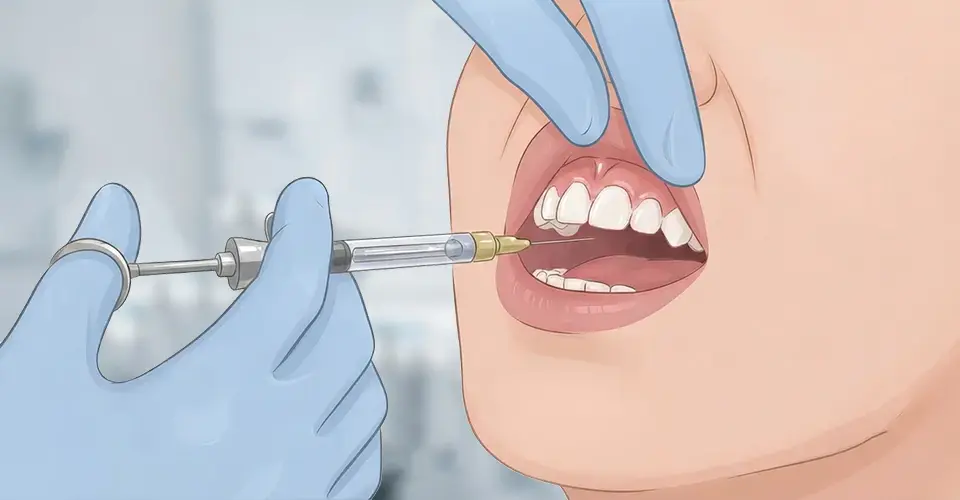
Local anesthesia is the most basic form of anesthesia and involves numbing a specific area of the mouth where treatment will be performed. Patients remain fully awake but do not feel pain in the treatment area. Local anesthesia is commonly used for many routine procedures and is often combined with sedation options for patients who desire additional relaxation.
Nitrous Oxide, IV Sedation & General Anesthesia
Nitrous oxide sedation, commonly known as laughing gas, is a mild form of sedation that helps patients feel calm and comfortable during treatment. The medication is inhaled through a small mask placed over the nose and takes effect quickly. Patients remain awake and responsive throughout the procedure and typically recover quickly once the gas is discontinued.
Intravenous (IV) sedation provides a deeper level of relaxation by delivering medication directly through a vein. IV sedation allows patients to enter a deeply relaxed state while remaining responsive when necessary. Many patients have little or no memory of their procedure afterward, making this option especially beneficial for individuals with dental anxiety or those undergoing longer surgical procedures.
General anesthesia is the deepest level of anesthesia and places the patient into a controlled unconscious state during surgery. This option may be recommended for certain complex procedures, extensive surgical treatment, or patients who require a higher level of anesthesia management. Your oral surgeon will carefully evaluate whether general anesthesia is appropriate based on your individual needs.
Patient Safety, Surgical Applications, Recovery & Confidence
Patient safety is the highest priority during every procedure involving anesthesia. Before treatment begins, your oral surgeon and surgical team review your medical history, medications, allergies, and any health conditions that may affect anesthesia. Throughout the procedure, advanced monitoring equipment is used to continuously evaluate vital signs, oxygen levels, heart rate, and other important indicators.
Modern anesthesia techniques allow many oral surgery procedures to be completed comfortably and efficiently. Whether you are receiving wisdom tooth removal, dental implants, bone grafting, corrective jaw surgery, or treatment for facial trauma, appropriate anesthesia helps reduce stress, improve comfort, and allow your surgical team to perform precise treatment.
After anesthesia, patients receive detailed recovery instructions to ensure a safe healing process. Depending on the type of anesthesia used, patients may need a responsible adult to drive them home and remain with them during the initial recovery period. Temporary drowsiness, reduced coordination, or mild grogginess can occur and typically improves as the medications wear off.
Choosing an oral surgeon who provides advanced anesthesia services allows patients to receive specialized surgical care with comfort and confidence. Through extensive training, modern monitoring technology, and personalized anesthesia planning, our team is committed to creating a safe, relaxing experience while delivering the highest quality oral and maxillofacial surgical care.